Technical solutions for water, soil, biology, irrigation performance and treatment applications.
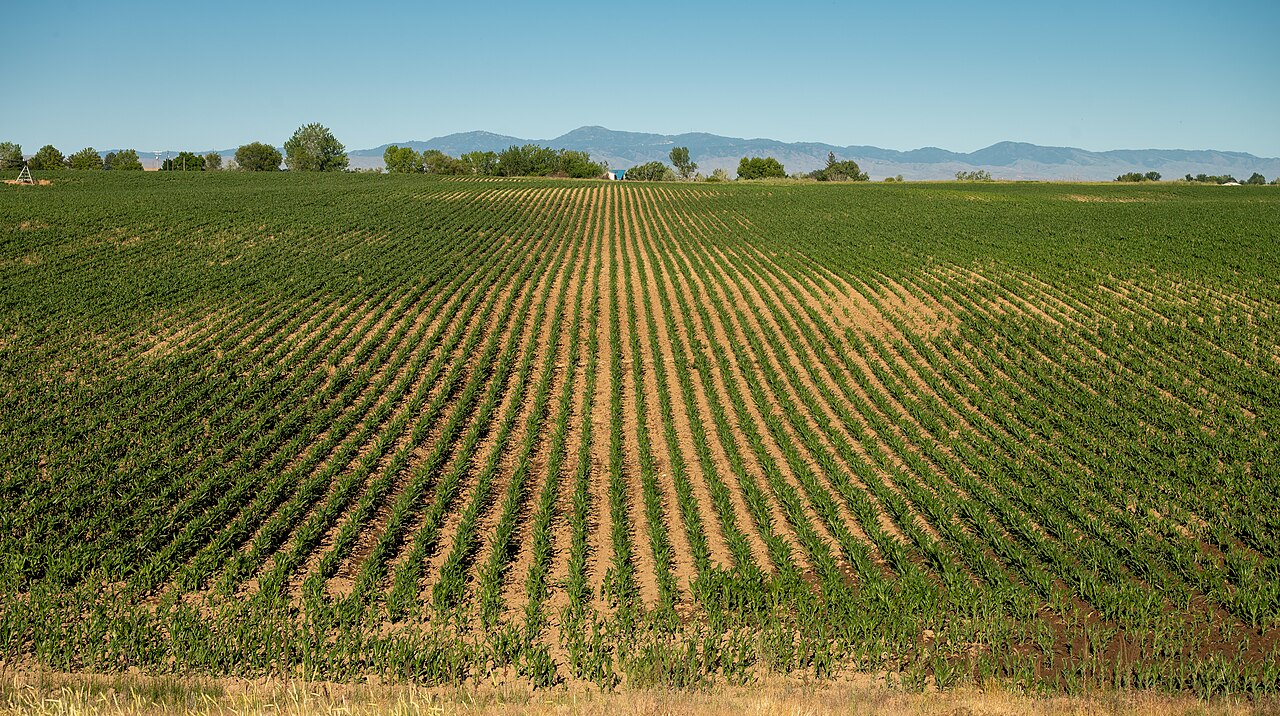
Rows of crops across a farm field near Middleton, Idaho, with hills in the distance
Consulting & Services

Irrigation Performance Analysis & DU Evaluation

Measure irrigation performance. Compare repair costs. Prioritize the work.

We combine field pump tests, distribution uniformity measurements and equipment evaluations with our proprietary calculator to identify where an irrigation system is losing efficiency and what that may be costing your operation each year.

Measure the system

Start with what is happening in the field.

A system can run without running efficiently. We evaluate the pump, water distribution and physical condition together to understand where deficiencies begin and how they affect the rest of the system.

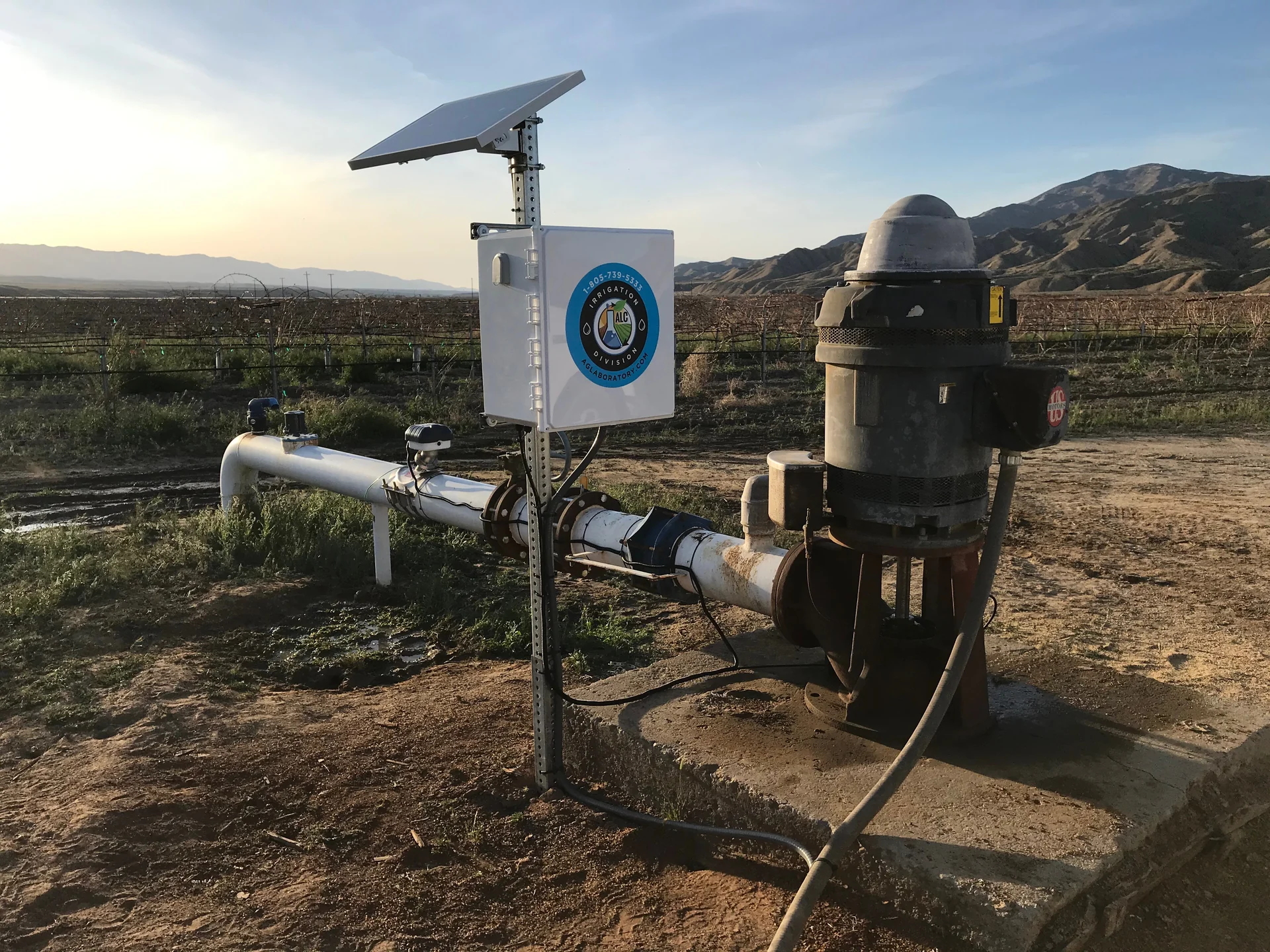
Vertical irrigation pump, pipeline and solar-powered control box beside vineyard rows
Pump tests

Check pumping performance.

We test pumps in the field and assess flow, pressure and operating conditions alongside available power-use and run-time information.

The findings help identify whether pumping performance or the way the system is operated may be adding unnecessary energy use and cost.
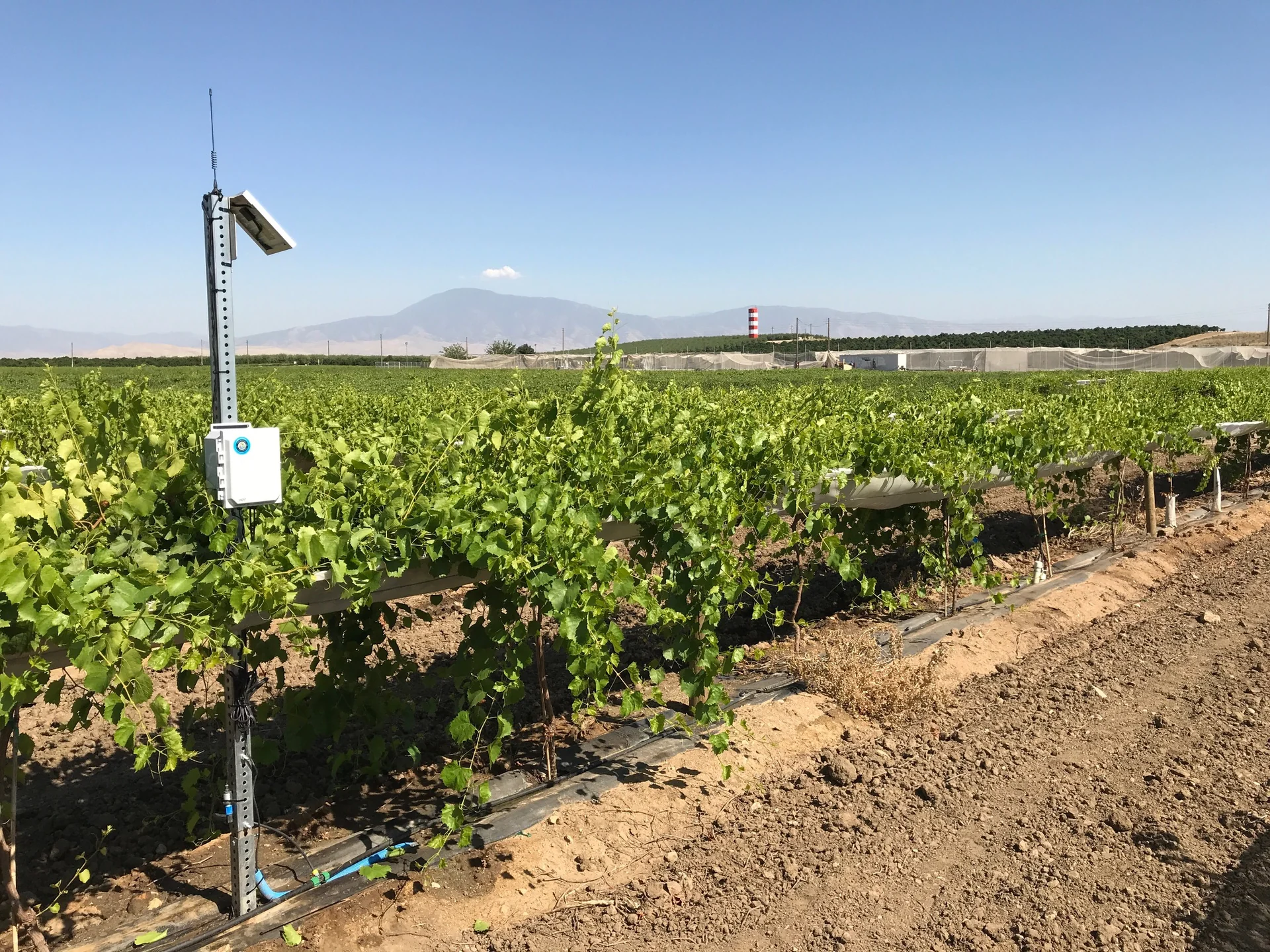
Solar-powered monitoring equipment beside vineyard rows and irrigation piping
Distribution uniformity (DU) testing

Measure delivery across the field.

We measure water delivery at representative locations throughout the field to evaluate how evenly the irrigation system applies water.

DU measurements, pressure readings and field observations help locate uneven application and identify where additional irrigation may be compensating for poor distribution.

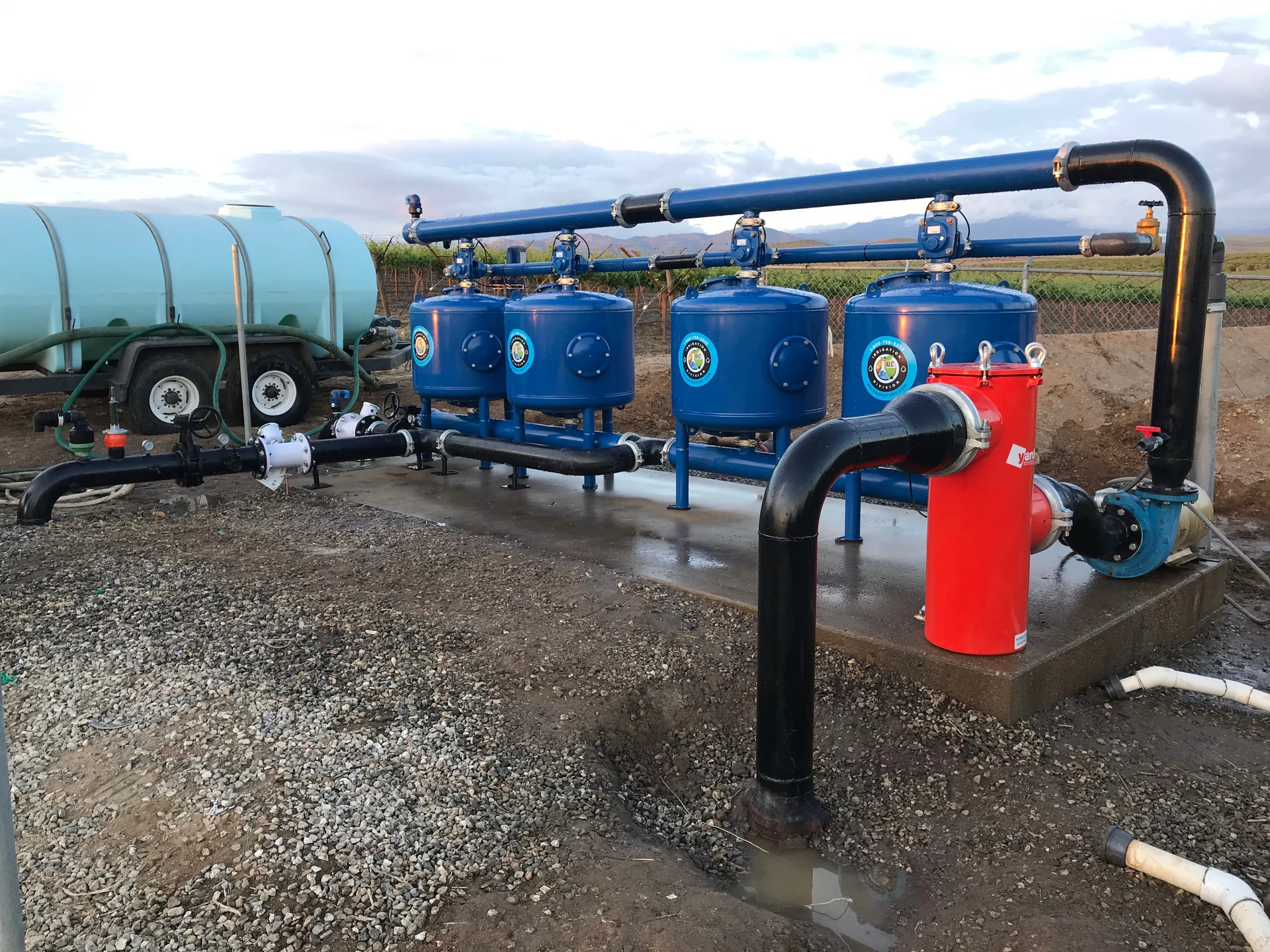
Four blue sand-media filter tanks connected to irrigation piping beside farmland
Equipment & infrastructure

Evaluate the condition.

We assess the condition of pumps, filters, valves, piping and field-delivery components within the agreed scope.

Leaks, wear, fouling, pressure losses and equipment limitations are considered alongside the field measurements so corrective work addresses the underlying deficiency.

Equipment photographs provide irrigation-system context; they are not records of a DU test or a reported project result. Photo credits.

Our proprietary calculator

Turn field measurements into an operating-cost picture.

Agrosource applies its proprietary calculator to the measured system data and the operation's cost inputs. The analysis compares current performance with a site-appropriate efficient baseline to estimate the annual cost associated with identified inefficiencies.

What the analysis can estimate

  • Excess water use associated with the measured inefficiencies
  • Additional pumping energy compared with the efficient baseline
  • Annual operating costs above that baseline, using the site's applicable water and energy costs
  • Potential cost reductions and return on investment for repair, adjustment or upgrade scenarios

We connect the numbers to the equipment and operating conditions that produced them, so the result explains where the deficiencies lie rather than only presenting a total.

A site-specific comparison

Make the baseline and assumptions visible.

The efficient baseline must fit the irrigation system and its required operating conditions. We identify the measurements, records and assumptions used for each comparison.

Estimates depend on data quality, irrigation hours, water and energy rates, equipment condition, and the cost and performance of the proposed work. Incomplete inputs limit what can be concluded.

Site-specific estimates

Results and ROI are site-specific and scenario-based; potential savings or production benefits are not guaranteed.

Decide what to address first

Separate maintenance, hydraulic and operational issues.

Not every deficiency calls for new equipment. We organize the findings by cause, then compare corrective options by their likely effect, estimated cost and potential return.

Maintenance

Restore the existing system.

Identify issues such as leaks, worn components, blocked emitters or filtration maintenance that may prevent installed equipment from performing as intended.

Hydraulics

Address delivery limitations.

Evaluate pressure and flow limitations, pressure losses, and pump or distribution constraints before selecting repairs or infrastructure upgrades.

Operation

Review how the system runs.

Consider run times, operating pressures, irrigation scheduling and management practices in the context of measured field performance.

The priority list connects each deficiency with a proposed next step. Repair and upgrade scenarios can then be compared using their estimated implementation cost, annual operating-cost effect and potential ROI. Improvement scenarios should account for interacting issues rather than adding overlapping benefits.

A usable decision tool

Know what you will receive.

Define the outcome before work begins. An irrigation analysis may include:

  • A measured performance baseline and equipment-condition findings
  • Identified inefficiencies and their estimated annual water, energy and operating-cost effects
  • Ranked corrective actions across maintenance, hydraulics and operation
  • Repair or upgrade comparisons with documented assumptions, data limitations and potential ROI

Deliverables, schedule, fees and any third-party testing are agreed in the project scope before work begins.

What to bring to the conversation

  • Irrigation maps, field blocks, acreage and equipment details
  • Pumping, flow, pressure, energy-use and operating-hour records
  • Water and energy rates, irrigation schedules and filtration details
  • Known deficiencies, repair estimates or proposed upgrades
  • The decision you need to make and your timeline
For agricultural property decisions

Irrigation due diligence, when the decision calls for it.

The same performance and equipment evaluation can support an agricultural purchase review. We assess the available irrigation records, test the agreed parts of the system and identify deficiencies that may affect future operating costs or repair priorities.

The scope is matched to property access, the available records and the transaction timeline. Technical irrigation due diligence supports a decision about the system. It does not replace legal, financial, property-title or other specialist purchase advice.

Example report · PDF · 10 pages

Irrigation Analysis Report Example

An anonymized example of irrigation performance and economic analysis. Technical figures are specific to the evaluated system and do not predict results for another site.

Related product information

Product treatment does not replace the physical, operational or hydraulic corrections identified by testing.

Bio-Organic Catalyst
Water/soil conditioner

Phyto-C3

A water and soil conditioner used in irrigation-system cleaning and maintenance programs for organic and inorganic fouling. Program design is matched to the irrigation system, water source and crop.

Explore Phyto-C3
Bio-Organic Catalyst
Bio-catalytic water treatment

PC3 Organic

A ready-to-use liquid water additive based on plant-derived saponins and yeast extracts for irrigation fouling management, soil wetting and root-zone support. Confirm current organic-program acceptance for the exact product.

Explore PC3 Organic
ECO2MIX
Carbonic-acid irrigation water pH control

ECO2MIX

For elevated irrigation-water pH, ECO2MIX forms carbonic acid from CO2 and water, then injects it into the irrigation mainline. Feedback-controlled dosing lowers pH and maintains the selected treatment target as part of a managed service.

Explore ECO2MIX
Aqua-Drive authentic wordmark
Soil wetting agent

Aqua-Drive

A non-ionic soil wetting agent designed to improve infiltration and penetration of applied irrigation water in agricultural crops, ornamental nursery stock and managed turf.

Explore Aqua-Drive

Understand what your irrigation system is costing you.

Share your system layout, known performance issues and the decision ahead. We can define a field evaluation and the information needed for a site-specific operating-cost and ROI analysis.

Plan your irrigation analysis

Additional document text editions

These editions preserve the source wording, tables and stated conditions. Original PDFs remain available unchanged. Document accessibility review is ongoing.