Water quality & nutrient contributions
Review water chemistry, salinity and relevant nutrients. Account for nutrients delivered in irrigation water when concentrations and applied volumes are available.

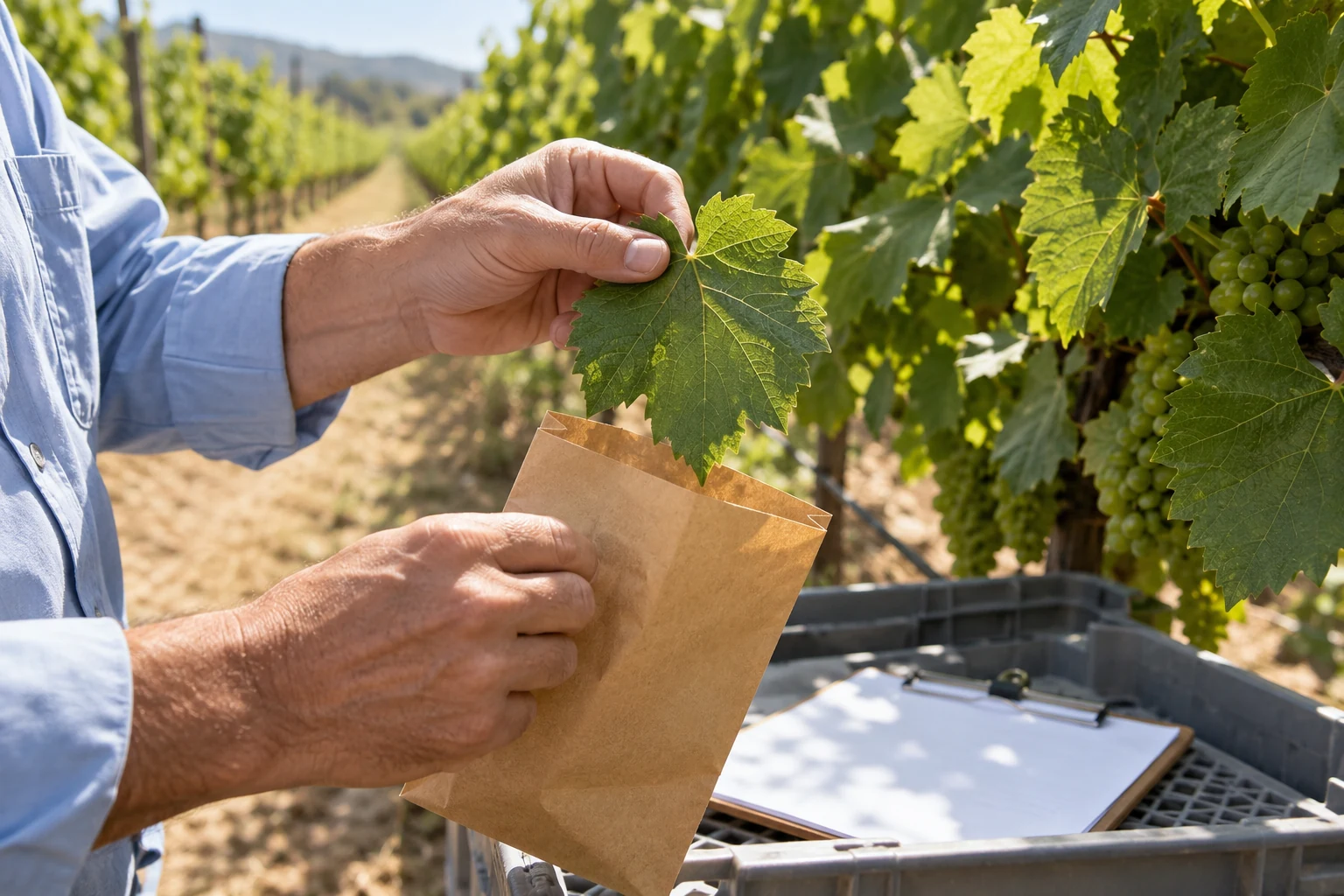
Build a nutrient plan around plant demand, test results and the growing season.
Bring water quality, soil and tissue results, lysimeter soil-solution findings, growth stages and irrigation deliveries into one practical nutrient plan.
Bring sound agronomy and best management practices into everyday decisions about water, soil, crop or turf nutrition and the root zone. Recommendations begin with the needs of your site and the evidence available.
Use the review to set priorities, document assumptions and plan useful follow-up measurements.

Project scope and any documentation requirements are confirmed before work begins.
A useful plan begins with what the site already supplies, what the crop or turf needs and how nutrients reach the root zone. Read laboratory results together with sampling details, management history and field observations.
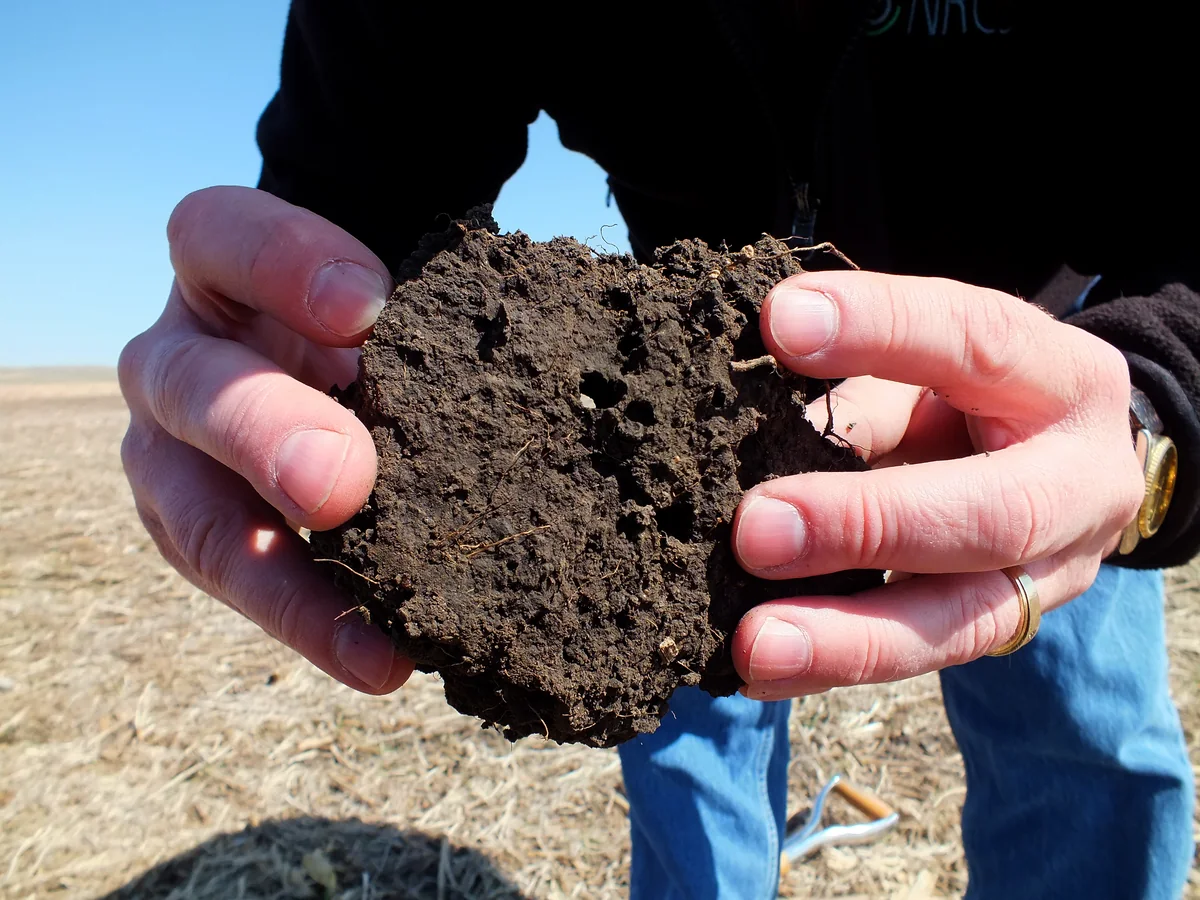
Review water chemistry, salinity and relevant nutrients. Account for nutrients delivered in irrigation water when concentrations and applied volumes are available.
Consider nutrient levels, pH, salinity, soil type and sampling depth alongside field history and the current program.
Interpret plant-tissue findings using the sampled tissue, crop or turf species, growth stage and observed symptoms.
Review dissolved nutrients and salts at the sampled depth and time, together with irrigation events, fertilizer applications and the other laboratory results.
Build a nutrient strategy around realistic production or turf-quality goals, existing nutrient sources and the periods when the plant needs them. Use growth stages and operating constraints to shape the schedule.
Consider crop type, establishment, vegetative growth, reproductive stages and harvest timing where relevant. Review the program as demand, water deliveries and field conditions change.
Consider turf species, active growth, seasonal transitions, traffic, recovery and playing-quality goals. Match nutrient timing to irrigation practices and the management needs of each area.
Document the assumptions behind the plan so future soil, tissue and field observations can guide adjustments.
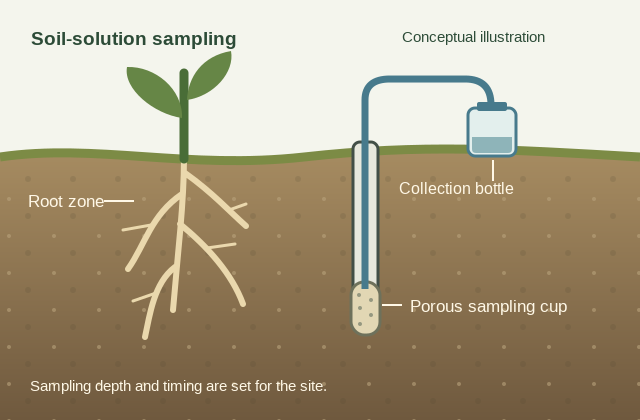
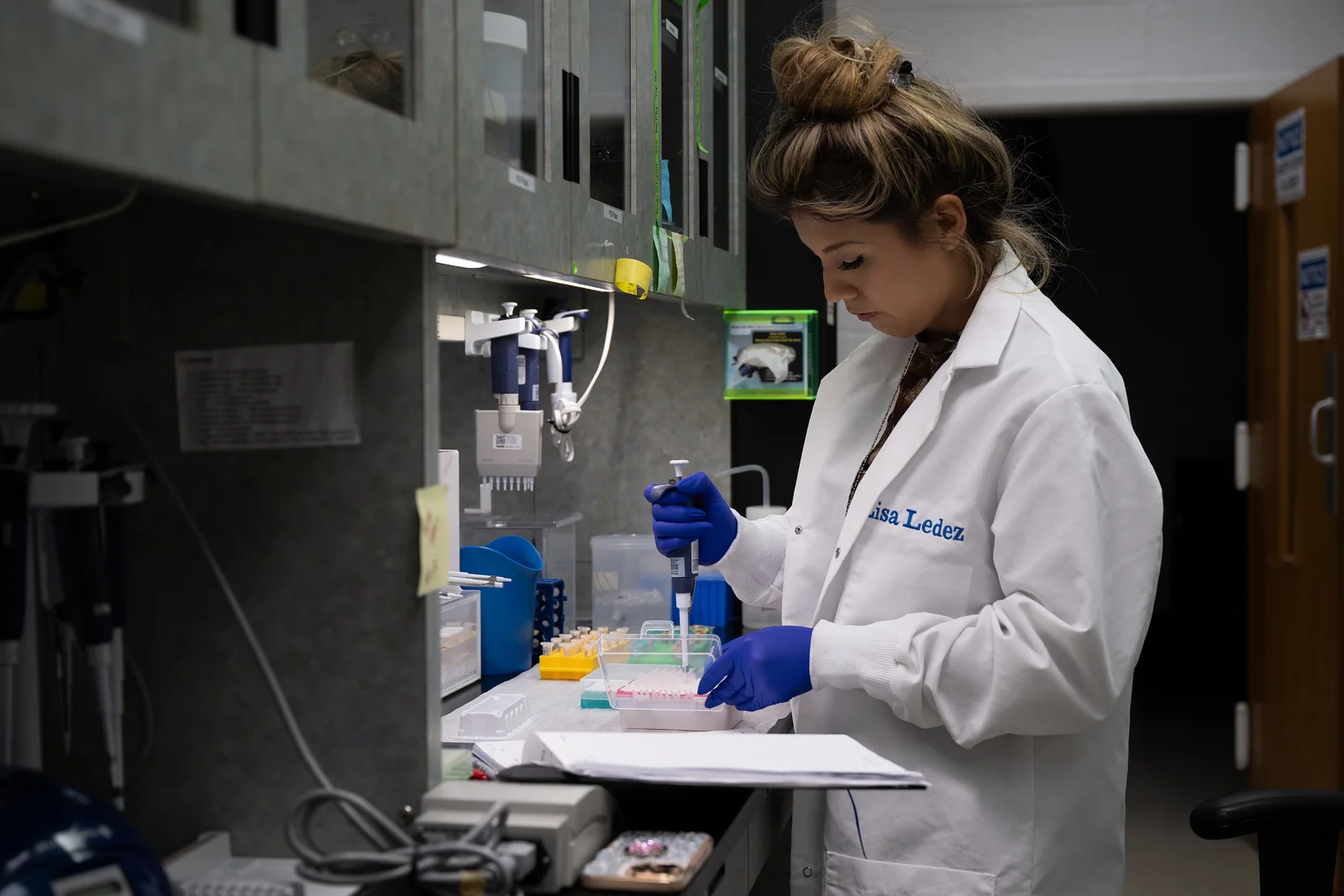
Lysimeter samples can add a view of water and dissolved nutrients in the root zone between routine soil and tissue tests. They help connect the nutrient program to what is measured at a particular location, depth and time.
Agree on sampling locations, depths, timing and laboratory analyses for the site. Review trends alongside irrigation deliveries, application records and growth stages rather than treating one sample as a complete diagnosis.
When crop symptoms or root-health concerns warrant it, include appropriate disease analysis alongside nutrition. Nutrient stress and disease symptoms can overlap, so field history and laboratory findings need to be considered together.
A nutrient schedule needs to fit the way the site is irrigated. Review water sources, delivered volumes, irrigation timing, application methods and practical constraints before setting the plan.
Physical irrigation-system testing and due-diligence work are scoped separately through Irrigation Performance Analysis & DU Evaluation.
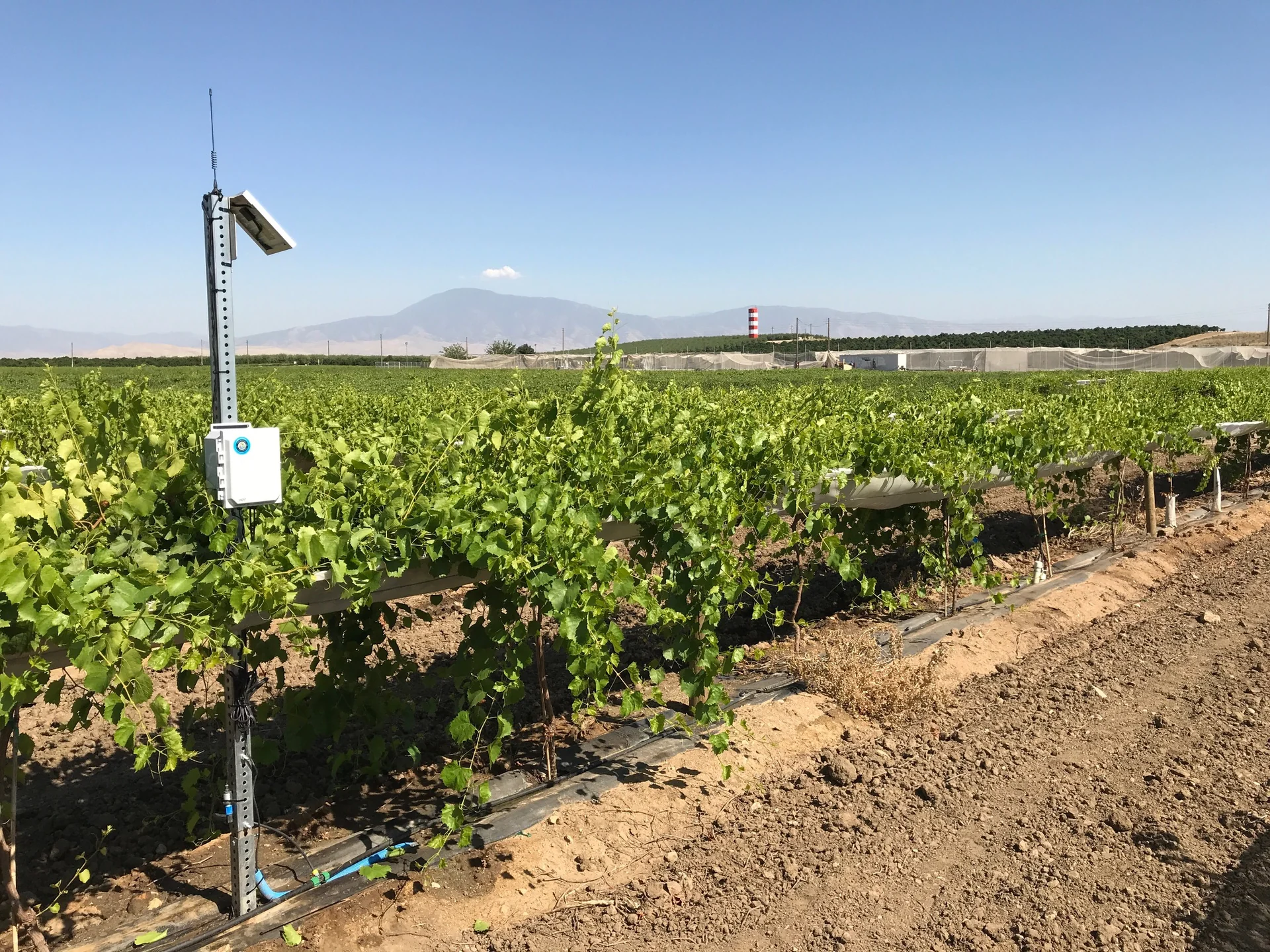
Agree on a scope that supports the decision you need to make, whether you are developing a new program or reviewing an existing one.
Bring together crop or turf goals, laboratory reports, sampling records, current nutrient inputs, irrigation deliveries and relevant field observations.
Define nutrient sources, application timing and delivery considerations, with assumptions and information gaps documented. Rates and uses remain subject to current labels and site needs.
Set review points using soil, tissue, water and soil-solution results, field response and disease-analysis findings where relevant. Update the plan as the evidence changes.
Deliverables, schedule, fees and any third-party laboratory work are agreed before work begins. Any fertilizer-reduction decision requires a site-specific review; this service does not promise a fixed replacement percentage, yield increase or turf response.
Images provide field-work and sampling context; they do not identify Agrosource personnel or document a project result. The retained hero is illustrative. Photo credits.
Share your crop or turf type, growth stage, laboratory reports, current nutrient program and irrigation records. We can define the next steps for a site-specific fertility plan.