Water analysis
Interpret laboratory water chemistry, including pH, salinity, alkalinity and relevant nutrients, in the context of the crop and root zone.

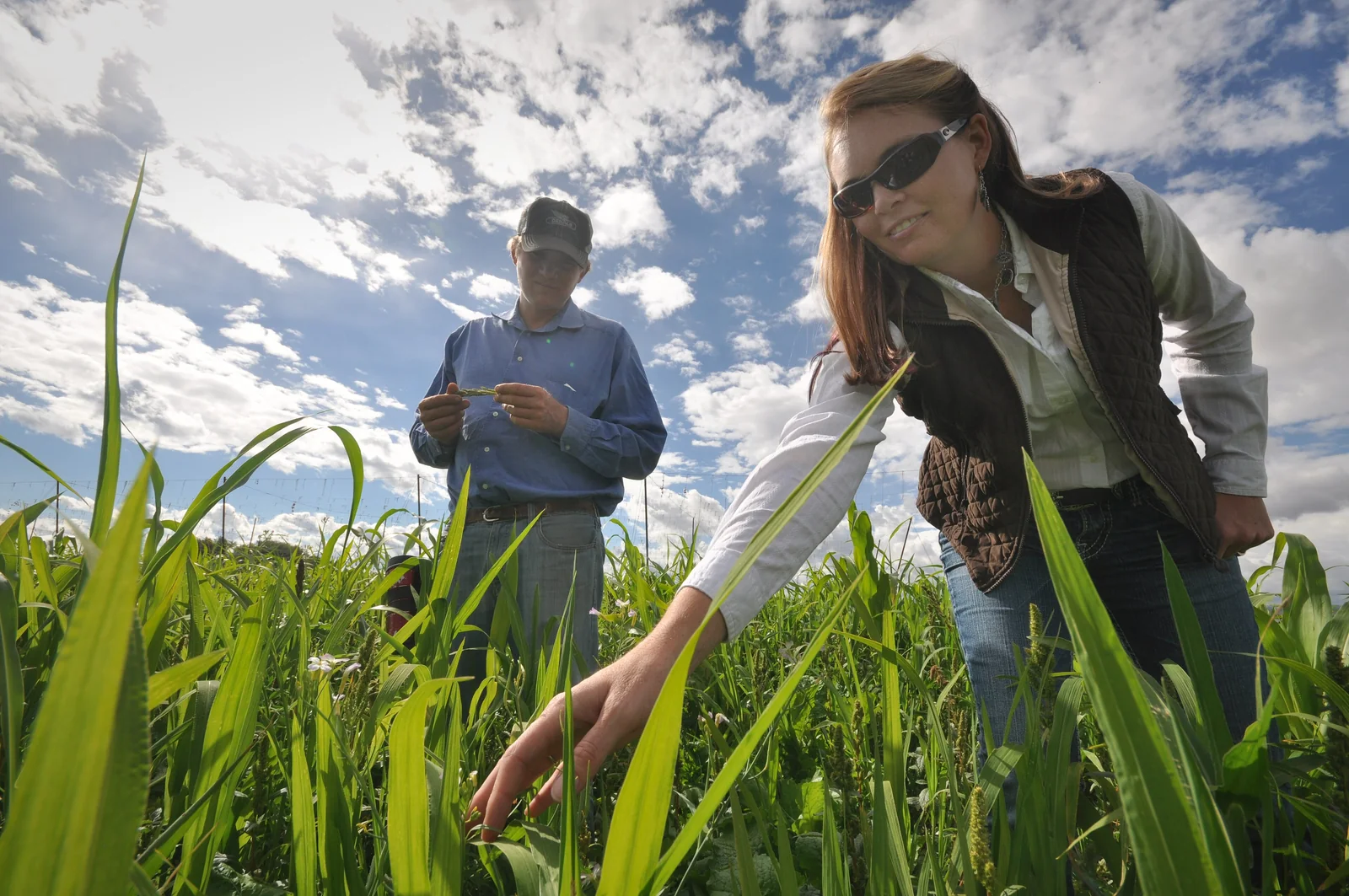
Understand your test results. Prioritize the next field decision.
Bring laboratory results, field observations and management records together to understand your crop and make informed decisions about nutrients and inputs.
Bring sound agronomy and best management practices into everyday decisions about water, soil, crop or turf nutrition and the root zone. Recommendations begin with the needs of your site and the evidence available.
Use the review to set priorities, document assumptions and plan useful follow-up measurements.

Project scope and any documentation requirements are confirmed before work begins.
A laboratory report is one part of the picture. Agrosource Group interprets the results alongside crop stage, sampling conditions, field observations and management history to develop practical, site-specific advice.
Interpret laboratory water chemistry, including pH, salinity, alkalinity and relevant nutrients, in the context of the crop and root zone.
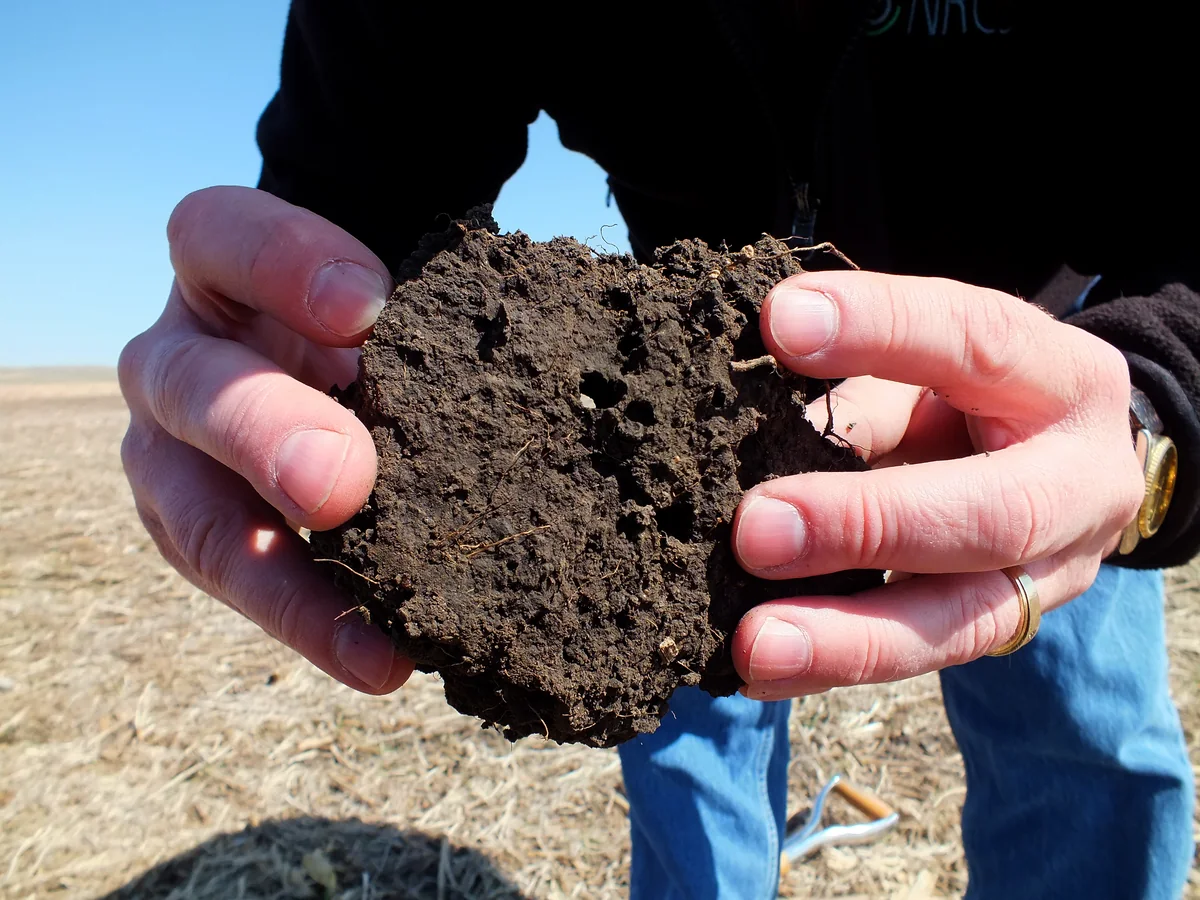
Review soil nutrient levels, pH, salinity and other reported indicators alongside soil type, sample depth and the field’s management history.
Interpret plant-tissue results in relation to crop stage, sampled tissue, observed symptoms and the current nutrient program.
Review laboratory results from lysimeter-collected soil solution to assess nutrients and salts at the sampled depth and time, alongside soil and tissue findings.
Compare like-for-like samples and trends where records allow. Differences in sampling location, depth, timing or laboratory method can change how results should be read.
Patchy growth, changes in vigor, root development and soil condition can help explain why a laboratory result matters. Field observations also help identify where the available evidence is incomplete.
We bring those observations together with laboratory reports and crop records to separate likely contributing factors, identify useful follow-up measurements and set priorities for review.
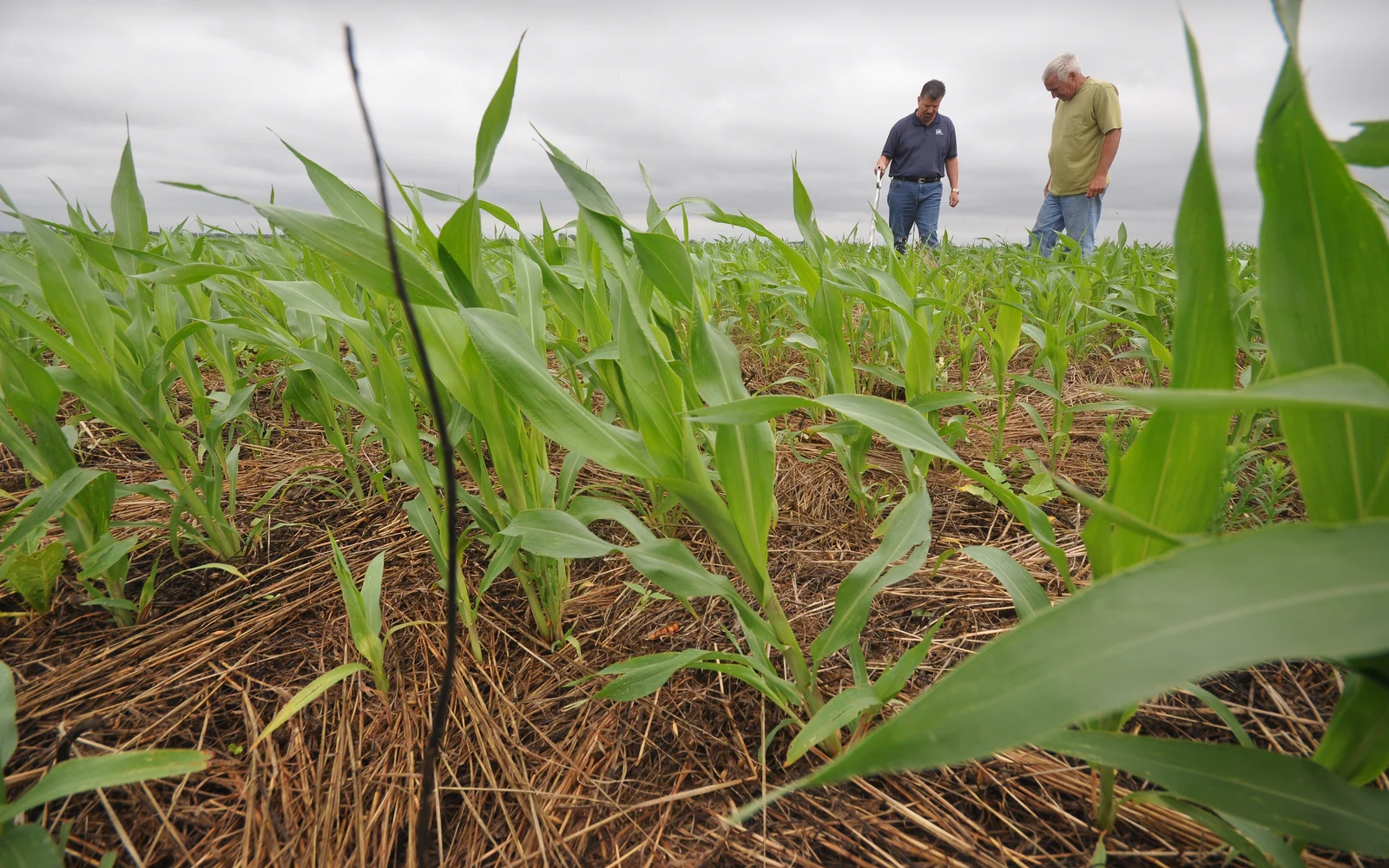
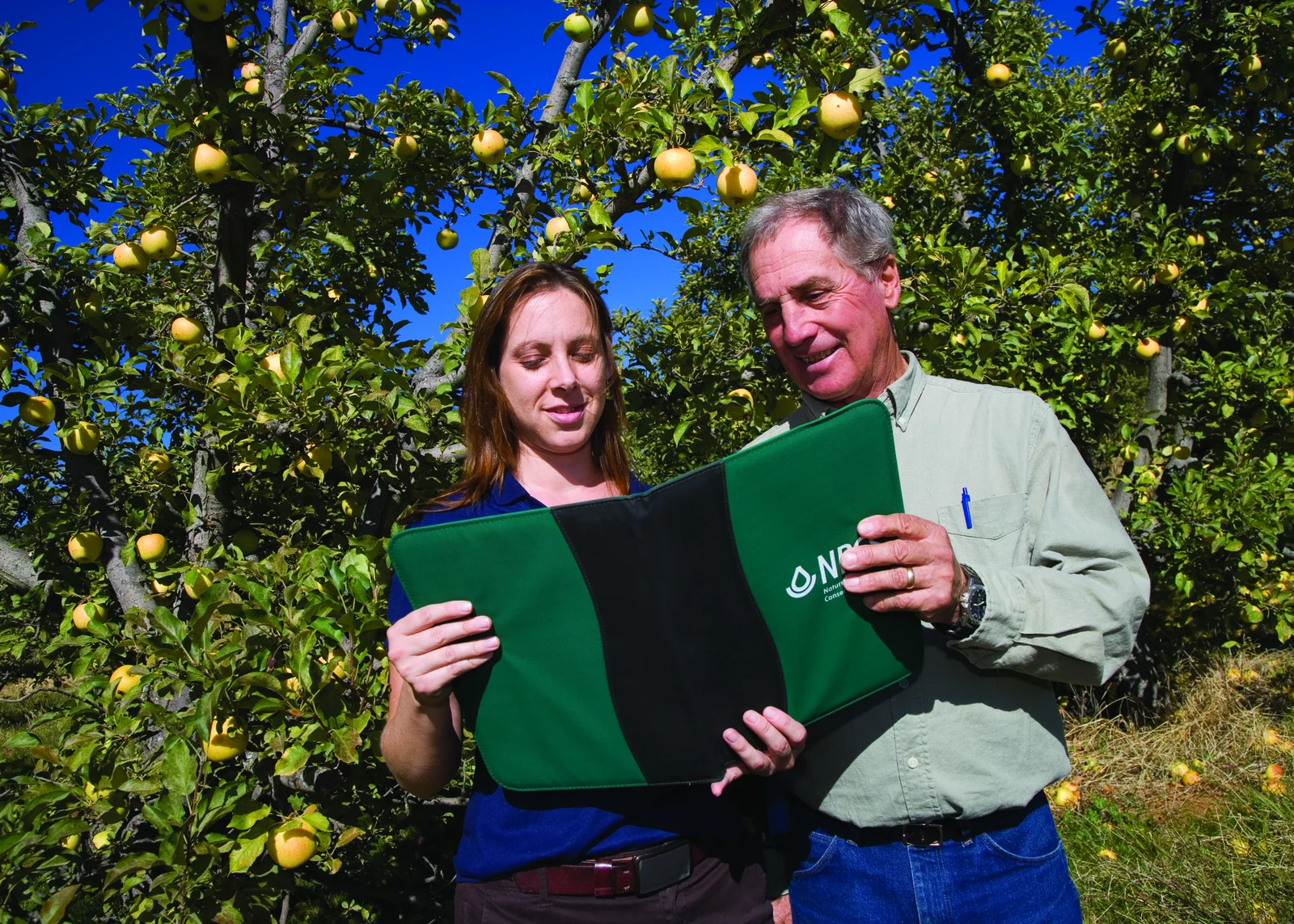
Develop a nutrient management plan or review an existing one using crop goals, water, soil and tissue results, nutrient sources and application records. Identify assumptions, information gaps and review points before adjusting the program.
Apply best management practices to nutrient sources, rates, timing and placement. For nitrogen planning, review the documented nutrient supply, crop needs and application records within the agreed project scope.
Review the purpose, rates and timing of current crop inputs against field conditions and the available evidence. Consider where to keep the existing approach, refine it or gather more information.
Recommendations begin with your agronomic needs. The focus is sound advice and practical management choices, without pressure to select a particular product.
Start with the question you need to answer, then agree on the evidence, field work and deliverables needed for that decision.
Share laboratory reports, sampling locations and dates, crop or turf concerns, nutrient plans and current input records. Include photographs or field notes where available.
Review findings in context, document the main questions and agree on any additional sampling, field observations or third-party laboratory testing.
Deliverables may include an agronomic review and write-up, development of an integrated nutrient management plan, and recommendations.
Project scope, deliverables, schedule, fees, geographic availability and any third-party laboratory work are agreed before work begins. Recommendations reflect the available evidence and its limitations.
Photographs illustrate agronomic field work and planning; they do not identify Agrosource personnel or projects. Photo credits.
Tell us what you’re observing, which reports or plans you have, and the decision ahead. We can help define a focused agronomic review and the information it needs.