Technical solutions for water, soil, biology, irrigation performance and treatment applications.
Compost facilities

Manage compost odors and evaluate support for biological activity.

When odors become a recurring concern, start with the material and treatment point. Compare product-specific Bio-Organic Catalyst options alongside the process controls your composting operation depends on.

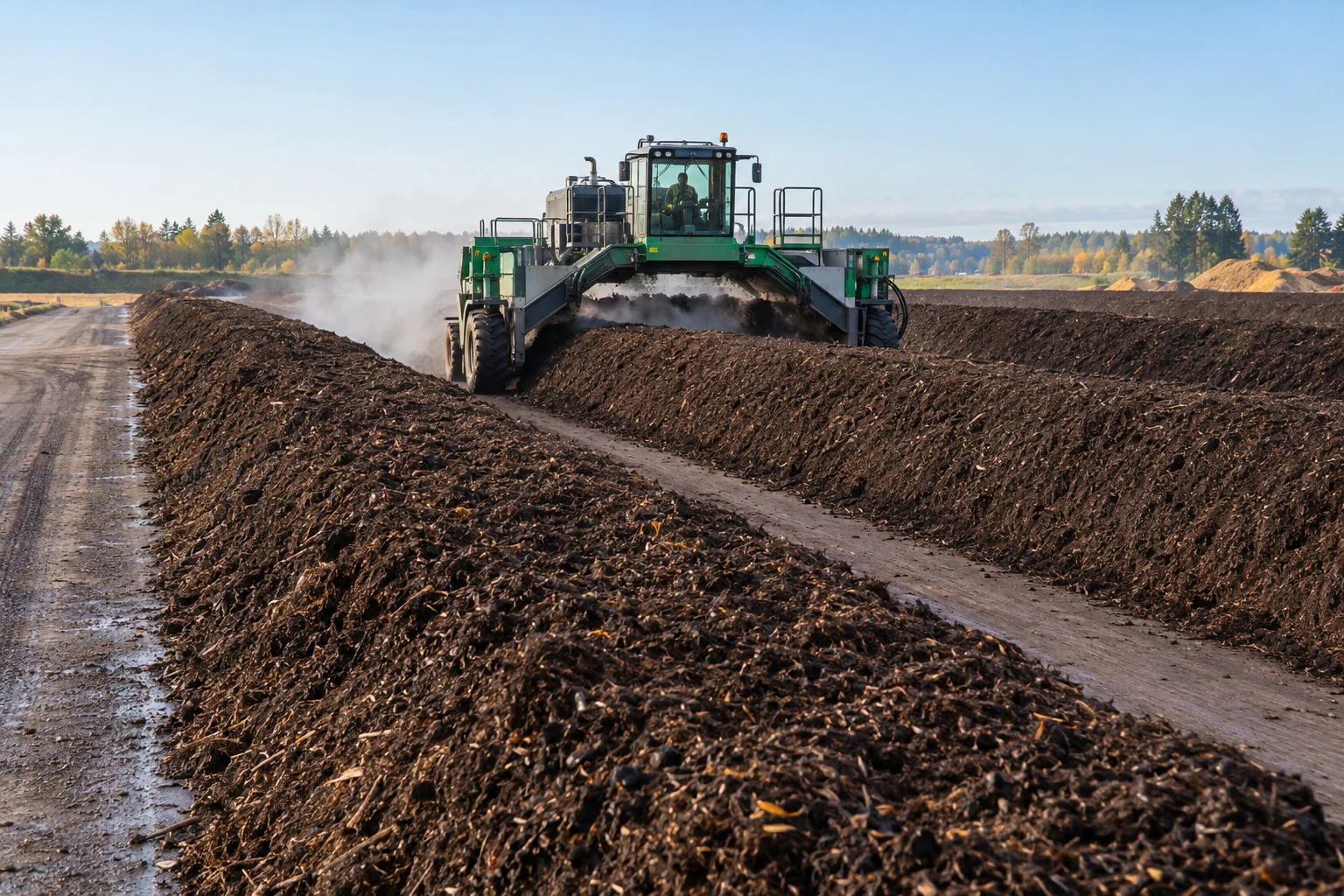
Windrow turner working through rows of compost at an outdoor facility
Odor control & biological activity

Address the smell at its source.

Compost operators need an odor-management approach that fits receiving, storage and turning routines without losing sight of finished-compost quality. Identify where and when the odor occurs, review moisture and aeration, then assess whether a product has a supported role. Our offering here is product-based, not a substitute for facility process management.

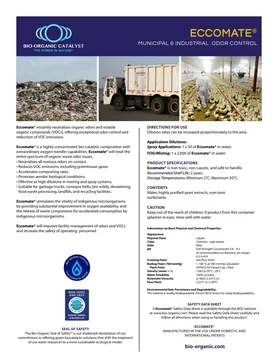
Eccomate targets organic-waste odors at compost sites, including ammonia and hydrogen sulfide in suitable applications. Eco-Cat serves suitable FOG-rich waste applications, while the EcoSystem Plus crop-residue pilot below reports a separate, limited odor observation. Choose by the material and treatment point.

A focused product offering

Agrosource Group supplies products for compost-related odors and biological processing. Compare intended use, application effort and cost, then define how you will record odor observations and process conditions. Match each product to its current directions. Site conditions influence the response; results are not guaranteed.

Eccomate · Beyond odor control

Support aerobic activity and composting performance.

Eccomate is formulated to support aerobic biological conditions in composting. Its bio-catalytic action supports microorganisms already present by improving oxygen availability and making organic waste components more available for consumption.

This is support for existing biology, not the addition of living microbes. The product lists water, purified yeast extracts and non-ionic surfactants as its contents.

Review Eccomate product information and current directions for formulation-specific applications.

Review the product fit and evidence for your composting operation.

Discuss your composting application
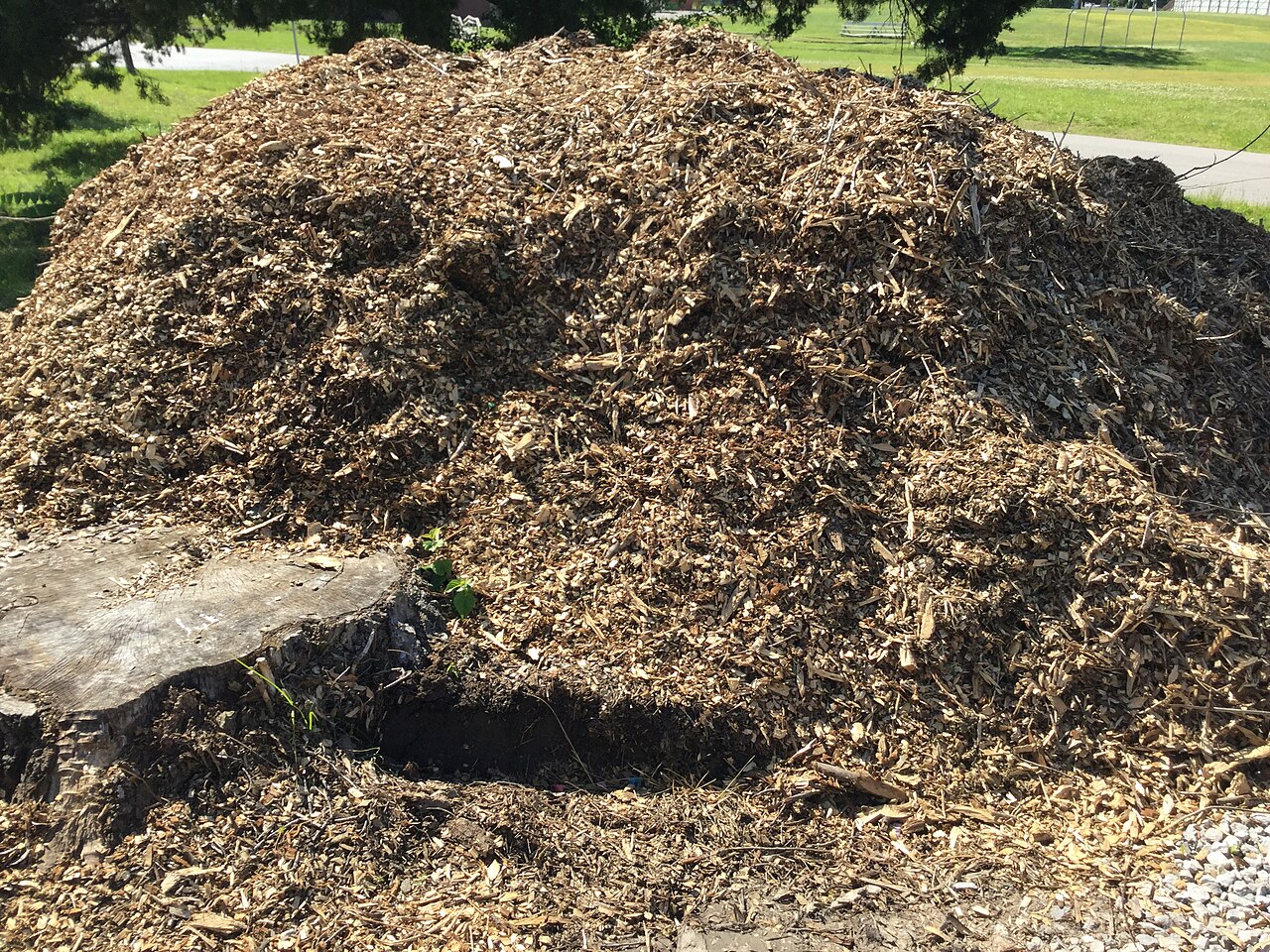
Pile of wood chips beside a grassy area
Woody material is one part of the composting context. Context photograph, not a product trial.Geo Lightspeed7 / Wikimedia Commons · CC BY-SA 4.0 · Cropped for display.

Start with the odor problem

Match the product to the source of the smell, rather than assuming every odor has the same cause.

Organic odors

Odors around receiving areas

Incoming organic residues can produce concentrated odors. Eccomate targets organic odors through spray or misting at receiving and handling points. Match placement and coverage to the material and follow current directions.

Intermittent odor release

Odors when material is disturbed

Moving or turning stored material can release odors that were less noticeable at the surface. Eccomate’s odor-control applications include spraying and misting; suitable coverage and product placement depend on the location.

Wet organic residues

Odors from wet waste points

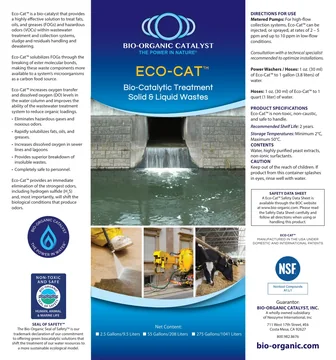
Odorous wet residues may need a different treatment from solid compost. Eco-Cat treats suitable organic wastes and associated odors, including FOG-rich residues. Match the application to the waste stream and current wastewater directions.

Crop-residue odor

Persistent odors from plant residues

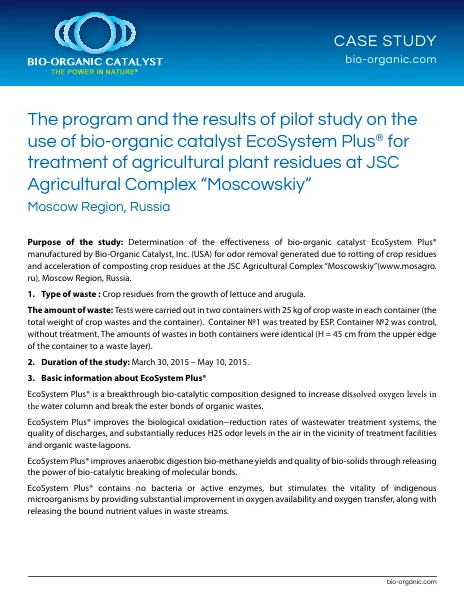
A two-container crop-residue pilot recorded improved odor after EcoSystem Plus treatment. Review the pilot’s materials, scale and observational assessment below.

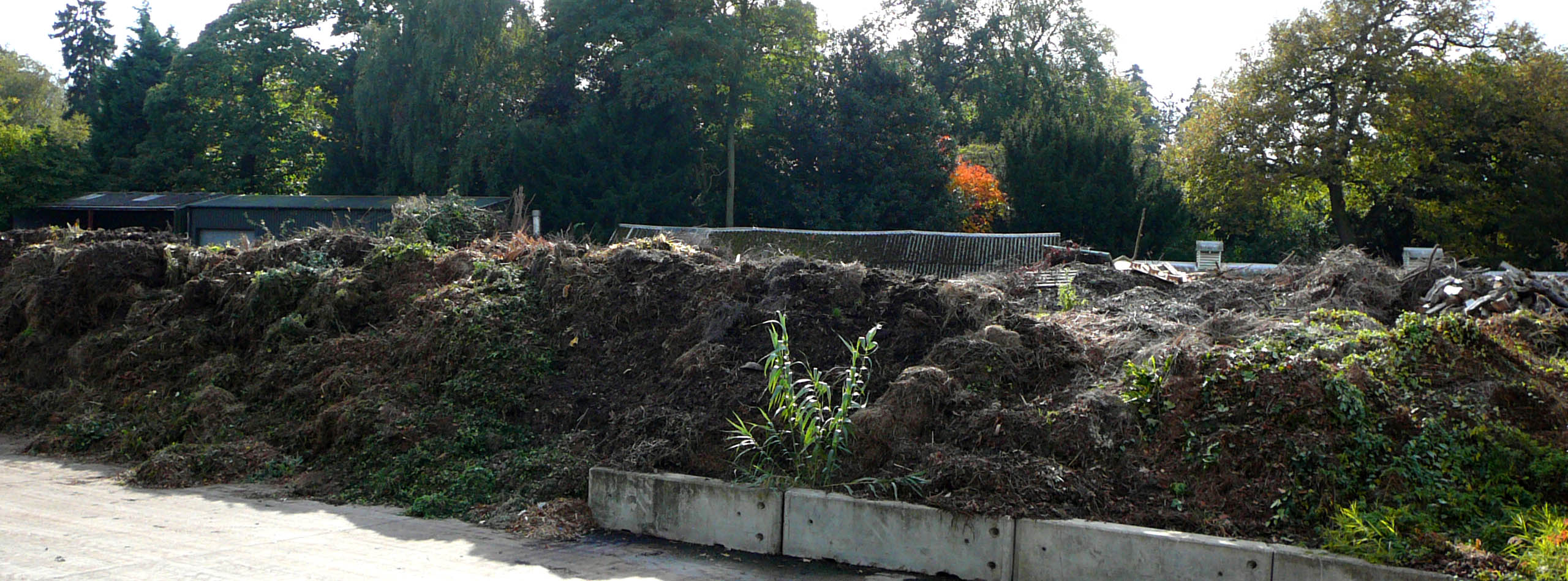
Large compost heaps containing plant material at Kew Gardens
Organic-material handling creates different points for odor-control applications. Compost heaps at Kew Gardens, London, shown for context, not as an Agrosource installation or product trial.Gossipguy / Wikimedia Commons · CC BY-SA 3.0 · Cropped for display.

Match the product to the application

Choose by the material, treatment point and goal. Odor control, support for aerobic biology and wet-waste treatment are distinct product roles.

Bio-Organic Catalyst
Compost-related organic odors

Eccomate

Eccomate helps address ammonia and hydrogen sulfide odors in suitable solid-waste, composting and sludge applications. Its product information describes support for aerobic biological activity. Apply by spray or misting according to current directions.

Explore Eccomate
Bio-Organic Catalyst
Selected wet-organic odor sources

Eco-Cat

Eco-Cat treats FOG-rich organic residues and associated odors where the waste and treatment point fit its wastewater directions. It solubilizes fats, oils, grease and other organic material for biological breakdown. The separate crop-residue pilot below used EcoSystem Plus.

Explore Eco-Cat
Bio-Organic Catalyst
Product used in the crop-residue pilot

EcoSystem Plus

The Moscow-region pilot used EcoSystem Plus on agricultural plant residues and reported odor improvement. The study used two containers of crop residues and assessed odor observationally.

Explore EcoSystem Plus

Tell us which material you handle and whether the priority is odor control, biological activity or both.

Ask about composting products
What the evidence supports

Keep the product features and pilot findings distinct.

Review Eccomate’s product information for its described applications and the EcoSystem Plus pilot for its crop-residue odor observations.

Rows of green lettuce growing in a vegetable field
The pilot below studied lettuce and arugula residues. This lettuce-field photograph provides crop context only; it does not show the trial, treated material or a measured result.Amuzujoe / Wikimedia Commons · CC BY-SA 4.0 · Cropped for display.

What the pilot reported

The 2015 Moscow-region report compared two containers of crop residues, one treated with EcoSystem Plus and one untreated. It reported an improvement in observed odor. Odor was assessed observationally in this small-scale crop-residue comparison.

Explore the underlying solution

Explore the related organic-odor product application.

Odor, FOG & Organic Loading

Discuss your composting goals.

Tell us which organic material is involved, where odors occur and whether improved biological processing is also a goal.

Request composting product information