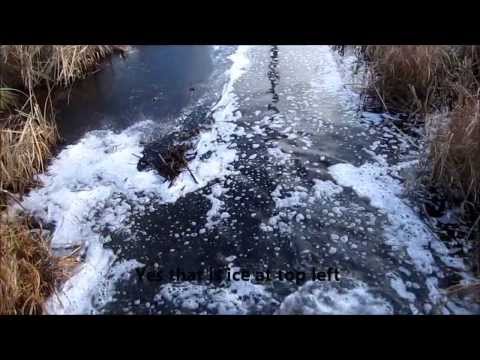
Petroleum-contaminated soil
When fuel reaches soil, determine how far it spread and what needs to be removed. That helps you compare excavation with treatment options and set a measurable cleanup target.
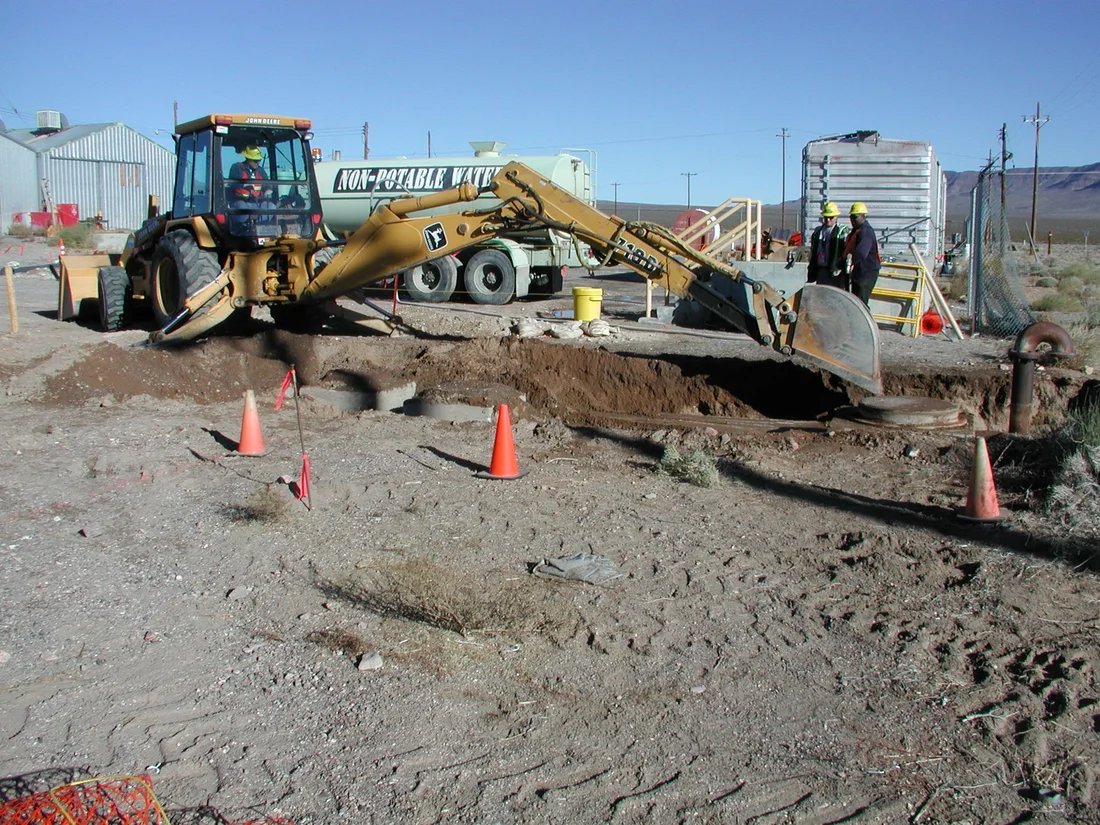
Oil and fuel can cling to soil and equipment or carry into water. For refineries, fuel terminals and remediation contractors, the first decision is what to recover, what to treat and how to verify the cleanup.
Agrosource Group
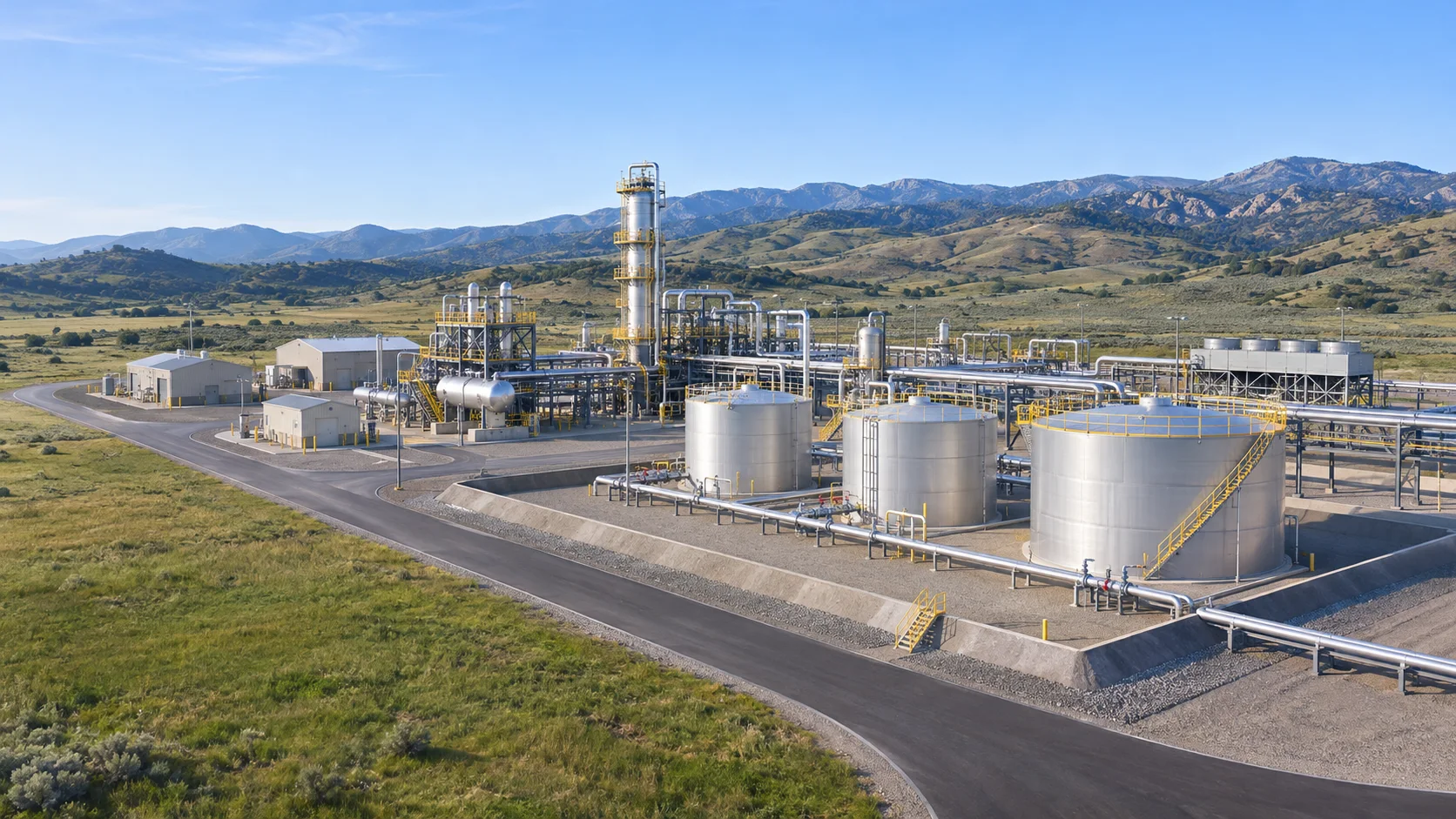
An overview of the Agrosource Group Oil & Gas Division and its hydrocarbon remediation work.
When fuel reaches soil, determine how far it spread and what needs to be removed. That helps you compare excavation with treatment options and set a measurable cleanup target.
Runoff, tank test water and wash water can carry petroleum to drains or beyond the work area. Identify where the water can be captured and what criteria it must meet before reuse, discharge or disposal.
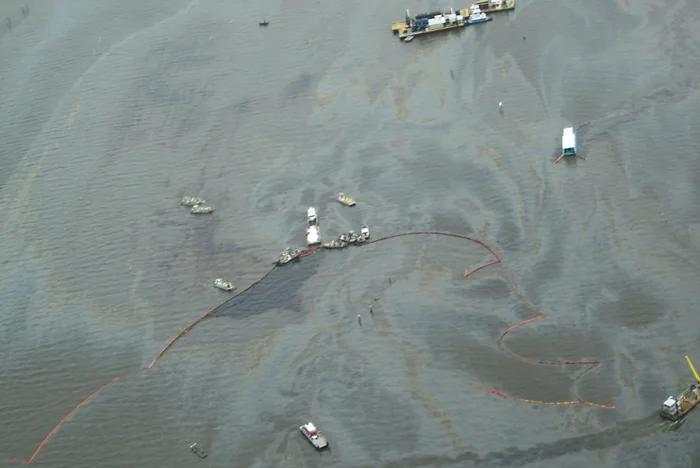
Spill containment shown for context, not a NONTOX® application.
Oil films on concrete and equipment can keep work areas out of service. Plan to remove the residue and capture wash water so cleanup does not move the contamination elsewhere.
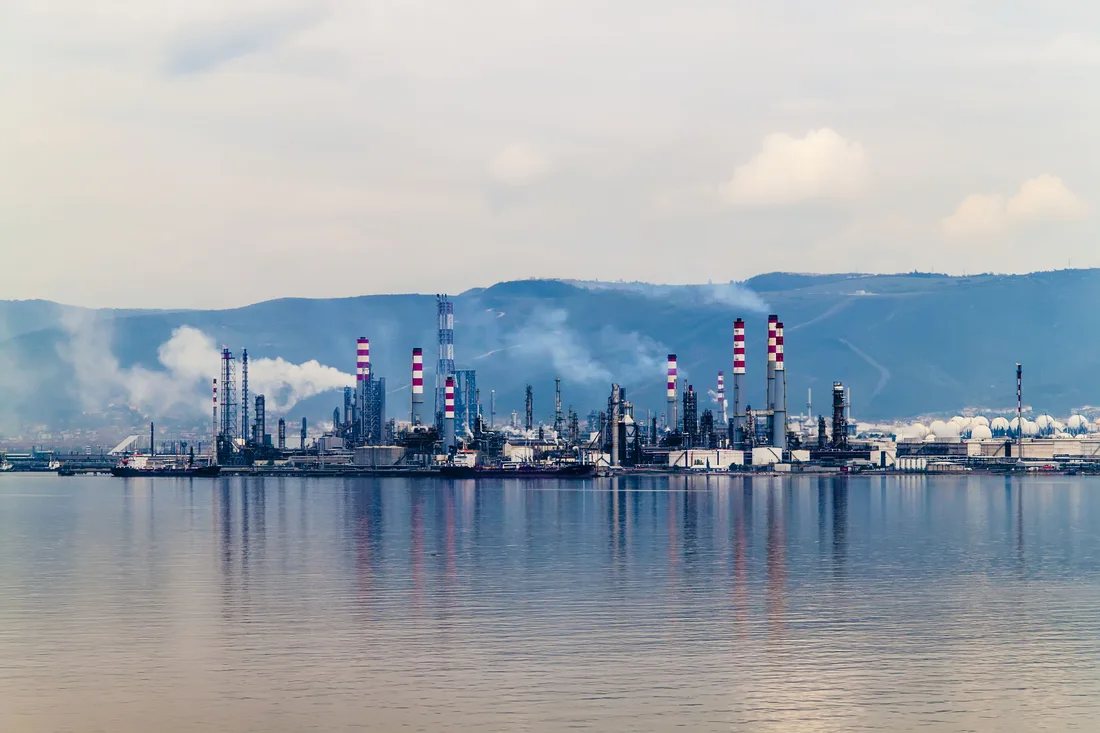
Tell us what was spilled and whether it reached soil, contained water or a hard surface. See the NONTOX® soil and retained tank-water results.
Discuss your cleanup projectSee how petroleum removal, contained-water management and biological treatment fit together.
See the remediation solutionReview the manufacturer’s product label, equipment guidance and supporting research.
Explore NONTOX®Bio-Organic Catalyst manufactures NONTOX®. The product fits some planned cleanup projects; start by identifying the affected material and what your cleanup plan requires.
Follow the product label and safety data sheet. Keep the product out of surface waters and drains, and follow site-specific containment, handling and discharge requirements.
Share your cleanup goal and the material you need to treat.
Request application guidanceTell us the material affected, the site and the cleanup outcome you need.
Request hydrocarbon application information