How acidic or basic the water is now
pH describes the water’s present acid-base condition. Adding CO₂ can lower it. If dissolved CO₂ leaves the water, pH can rise again.

Technology explained · Irrigation-water pH

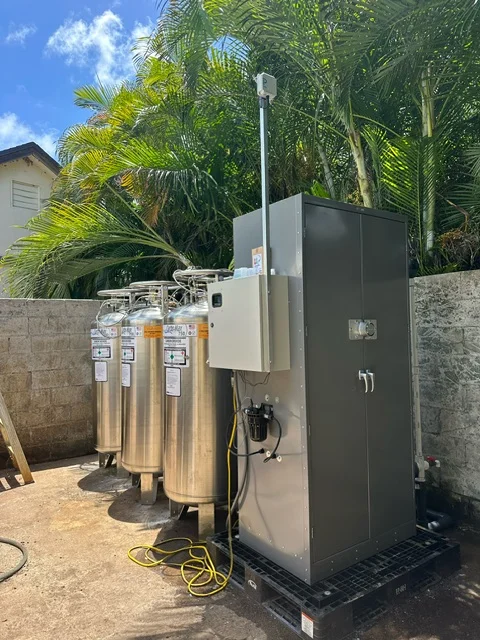
CO₂ and water. Carbonic acid made inside the cabinet. Measured pH control in your irrigation mainline.
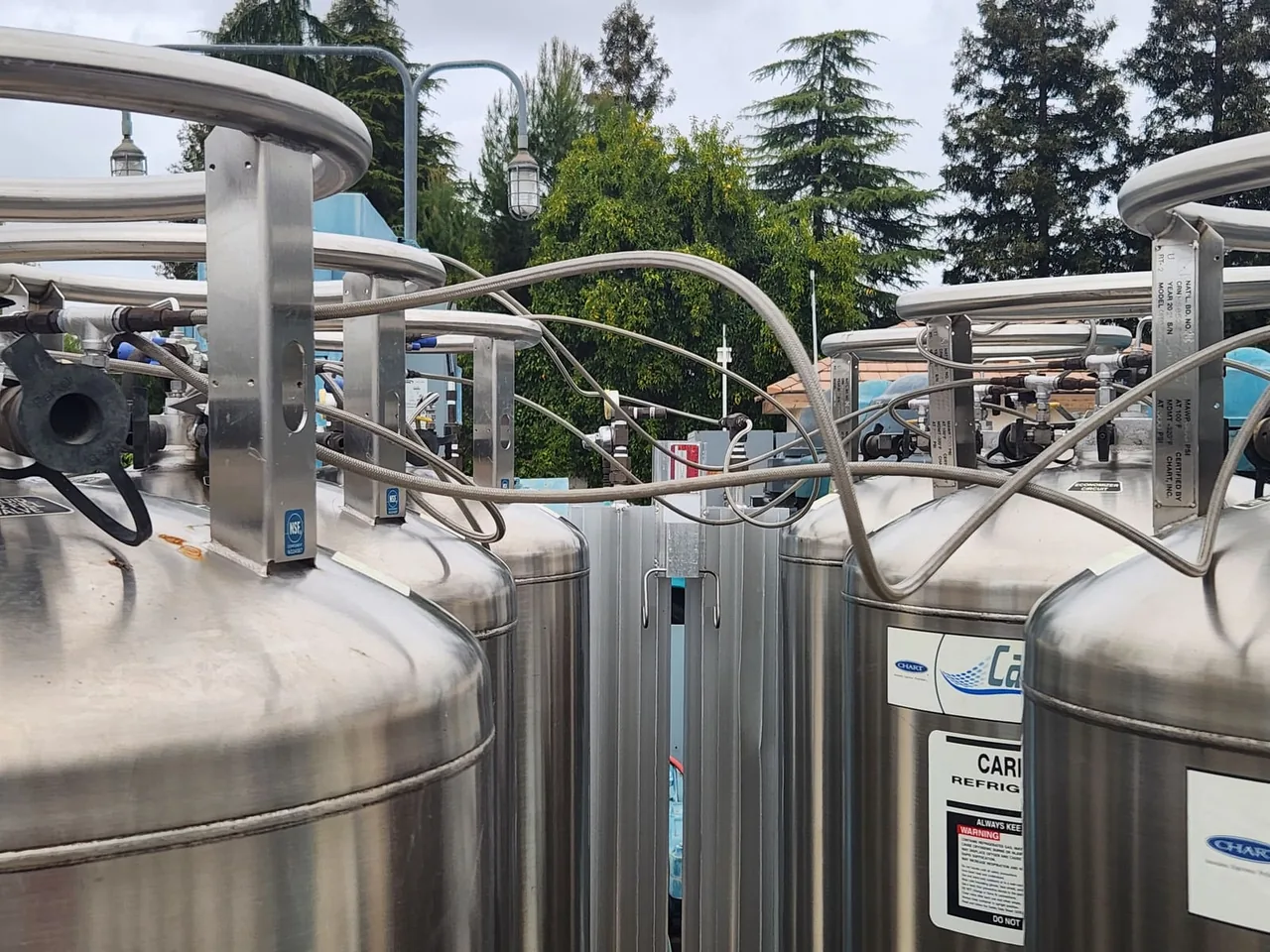
ECO2MIX draws a portion of irrigation water into its reactor, combines it with carbon dioxide under pressure and injects the resulting carbonic acid solution back into the mainline. A pH probe provides feedback to adjust dosing.
Explore ECO2MIX applications →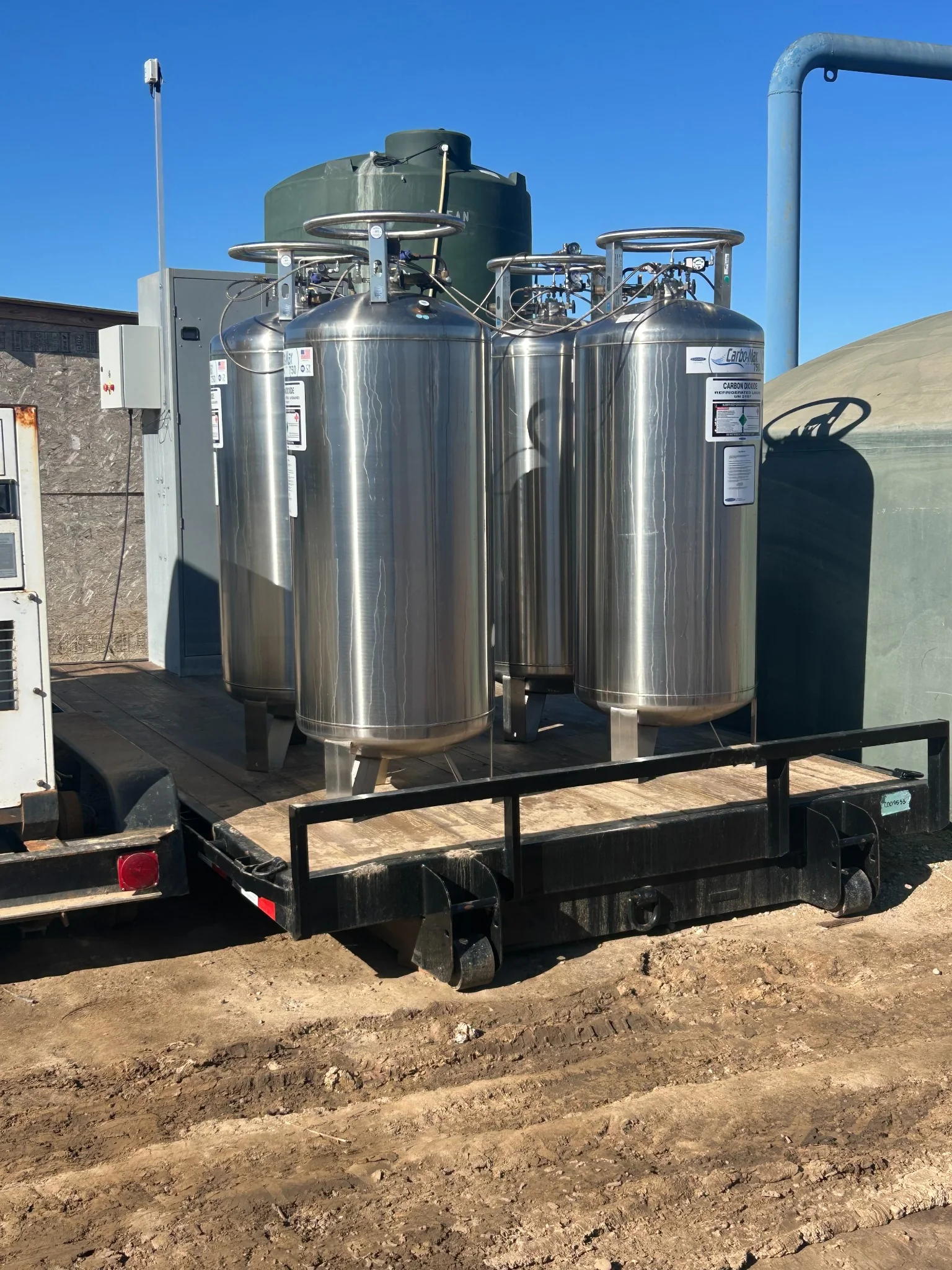
Follow the water
The system makes the carbonic acid solution before injecting it into the irrigation mainline.
A portion of the mainline flow enters the ECO2MIX reactor inside the cabinet.
Water to the reactorCO₂ dissolves in the diverted water under pressure, forming a carbonic acid solution.
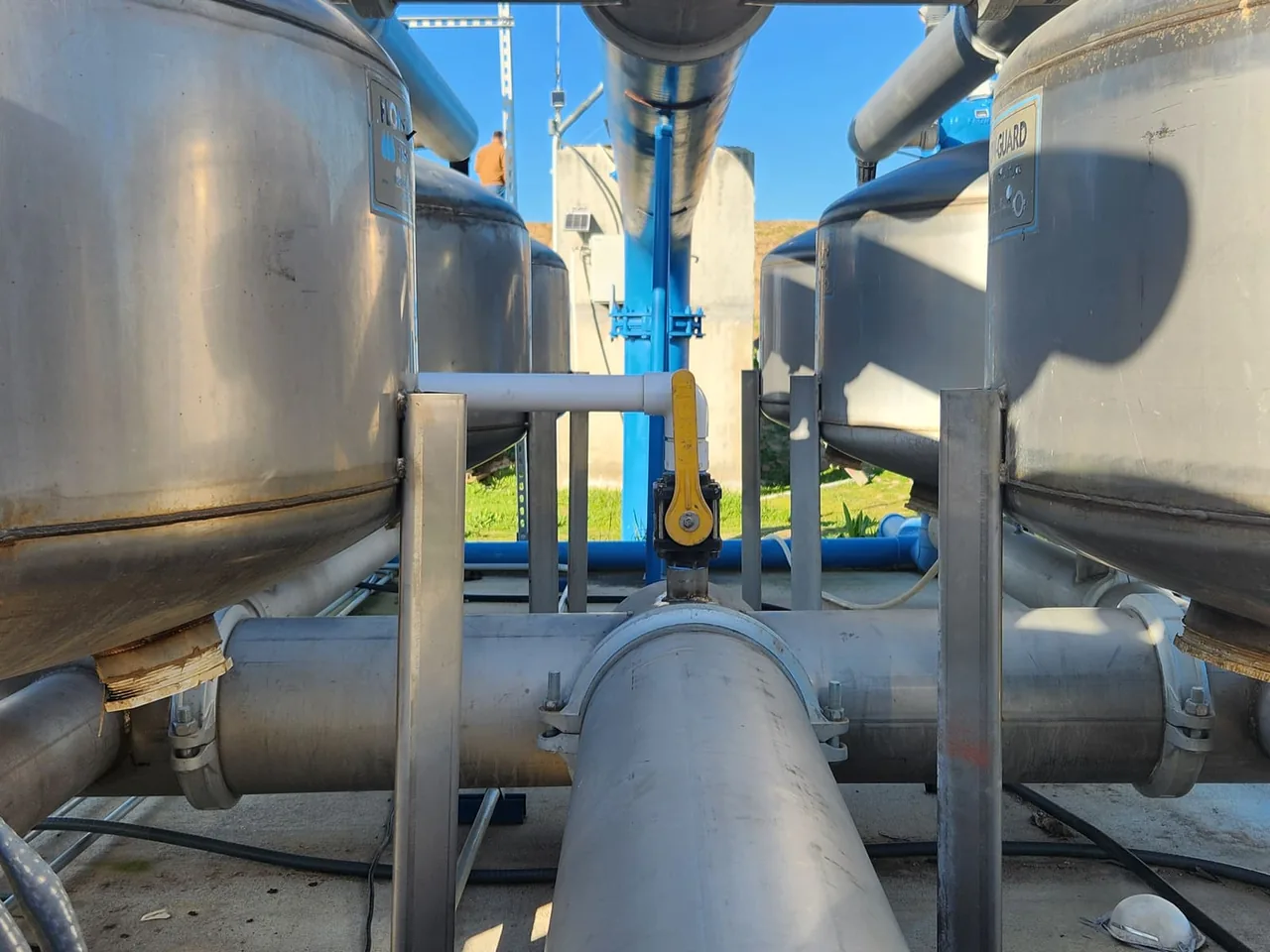
CO₂ + waterThe solution returns to the irrigation mainline, where it lowers the water’s pH.
Treated solution to mainlineA downstream pH probe provides feedback so the system can adjust dosing toward the selected target.
pH feedback to the controlsSimplified process sequence, not an installation drawing. Equipment configuration and the treatment target are selected for the site.
A familiar chemical reaction
Some dissolved carbon dioxide reacts with water to form carbonic acid. Carbonic acid can release hydrogen ions, lowering pH.
The reactions are reversible. Water chemistry, pressure and the exchange of CO₂ with air affect the balance, so a measurement at one point does not guarantee the same pH everywhere downstream.
Simplified equilibrium
CO₂ + H₂O⇌H₂CO₃⇌H⁺ + HCO₃⁻
Carbon dioxide + water ⇌ carbonic acid ⇌ hydrogen ion + bicarbonate.
This explains the chemistry. It is not a dosing formula or a prediction of field performance.
Two different measurements
Both matter when you interpret a water report and plan treatment.
pH describes the water’s present acid-base condition. Adding CO₂ can lower it. If dissolved CO₂ leaves the water, pH can rise again.
Alkalinity describes buffering capacity, often associated with bicarbonate and carbonate. Adding CO₂ alone does not consume total alkalinity. Reactions with minerals can affect the chemistry in an actual system.
Interpret pH alongside alkalinity, salinity and sodium. A lower pH reading alone does not show that salts were removed or that soil pH, nutrient uptake or crop performance has changed.
Discuss your water analysis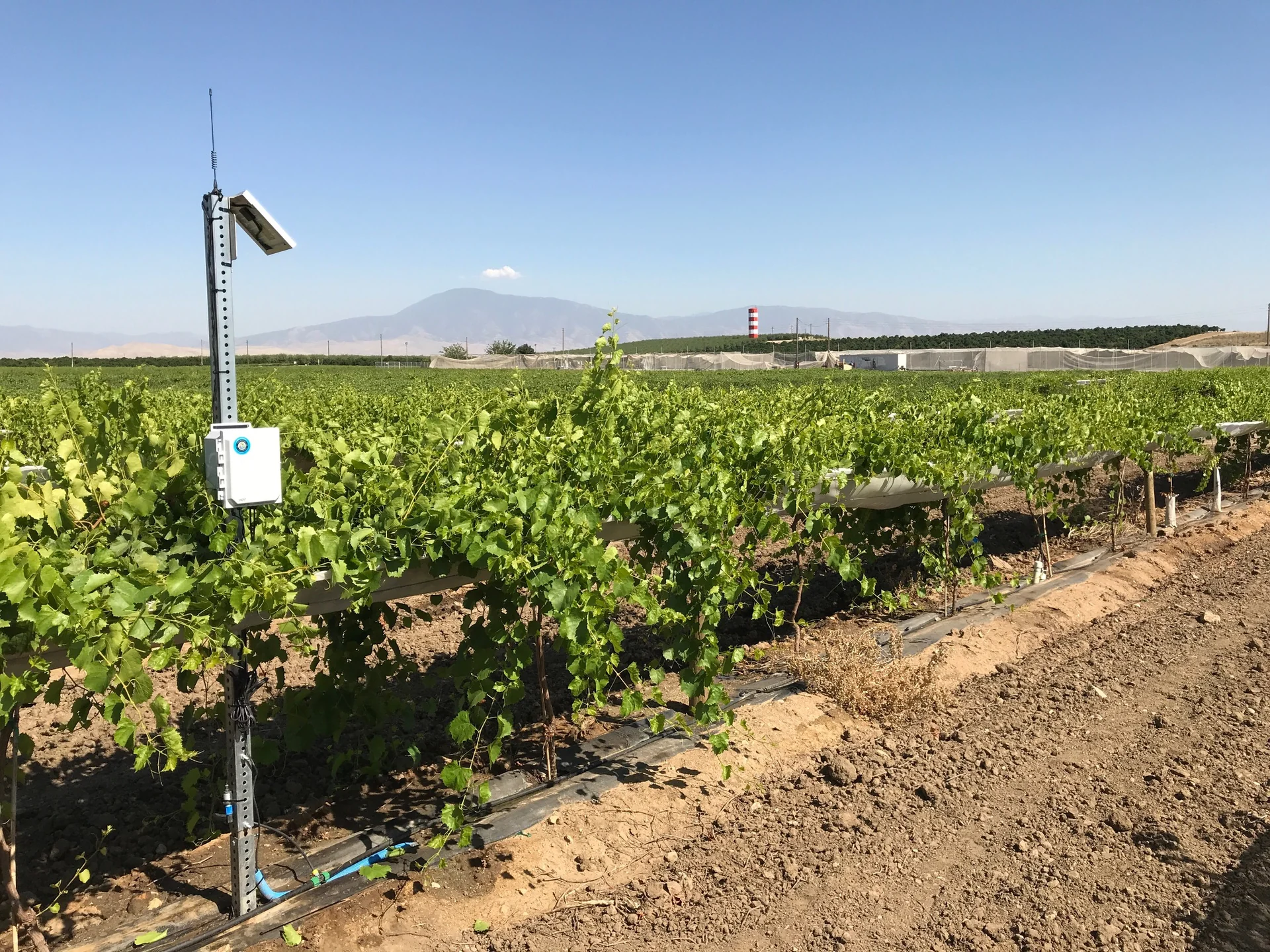
Measure the result
Water-pH control is one part of the management program. It does not replace drainage, irrigation maintenance, soil testing or a suitable fertility plan.
Plan a pH-control evaluationKeep exploring
Explore the application pages and existing product literature for agriculture or golf and turf.
General chemistry and water-quality references explain the principles. They are not endorsements of ECO2MIX or guarantees of a site-specific result.