Agronomic Consulting
Review water chemistry, crop context and deposit observations alongside the proposed Phyto-C3 cleaning or maintenance program.
Explore Agronomic Consulting

Address irrigation fouling and support moisture penetration. A water and soil conditioner for irrigation-system care, moisture penetration and root-zone support. Pair its cleaning or maintenance role with a site-specific review of soil wetting, biological conditions and nutrient uptake.
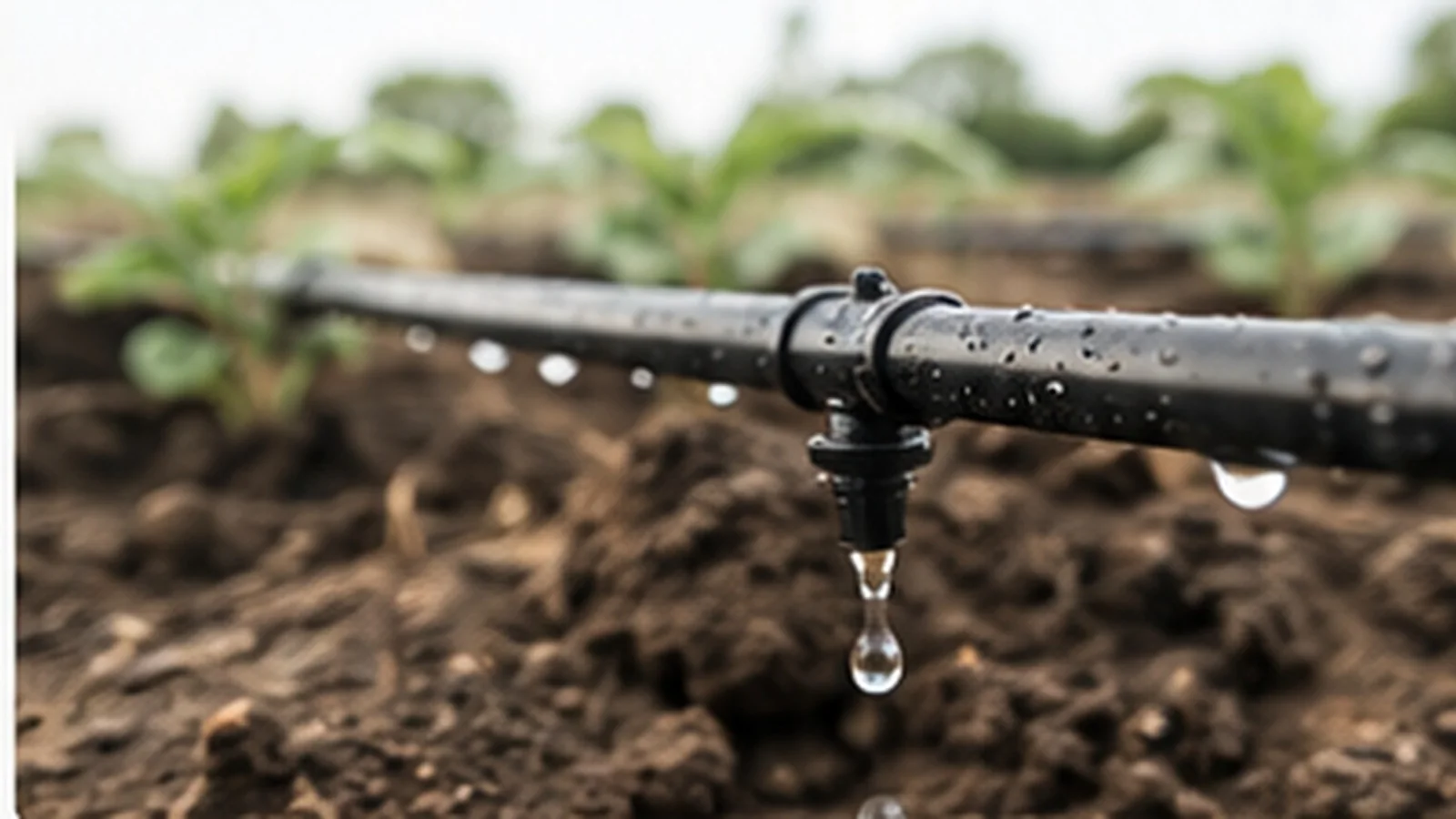
Treatment should be connected to an irrigation assessment. The source of fouling, filter condition, pressures, flows and emitter performance matter when deciding whether cleaning is appropriate and how results should be measured.
Agrosource Group can review a cleaning or maintenance program alongside physical and operational corrections. A product does not replace needed repairs, filtration changes or hydraulic adjustments.
Agree on the maintenance objective, application access and evidence of response before selecting a program. Review treatment cost alongside the physical corrections the system may still need.
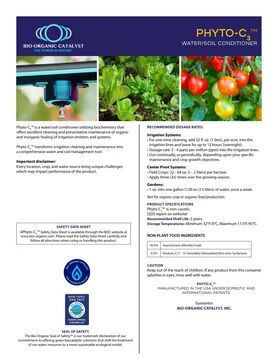
Phyto-C3 combines yeast extracts and a non-ionic surfactant in a water and soil conditioner. It helps manage organic and inorganic fouling in irrigation lines and emitters, including biological films. Use it for system cleaning and preventive maintenance, alongside a review of irrigation delivery and water movement into the root zone.
Phyto-C3 is the conventional formulation in the PC3/Phyto-C3 family; follow its own label and application directions.
Phyto-C3 helps break down biological films that can contribute to oxygen-poor conditions, while supporting oxygen transfer and beneficial aerobic activity. Its soil-conditioning action helps water move into the root zone and supports roots’ access to moisture and nutrients.
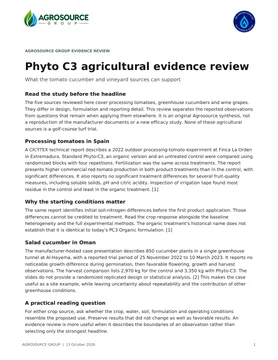
Phyto-C3 complements the existing fertility program without adding NPK. Match treatment to soil structure, drainage and the irrigation schedule, then use infiltration, soil-moisture and root observations to measure the response. The linked application presentation is not a controlled crop trial and does not establish water savings or yield for your site.
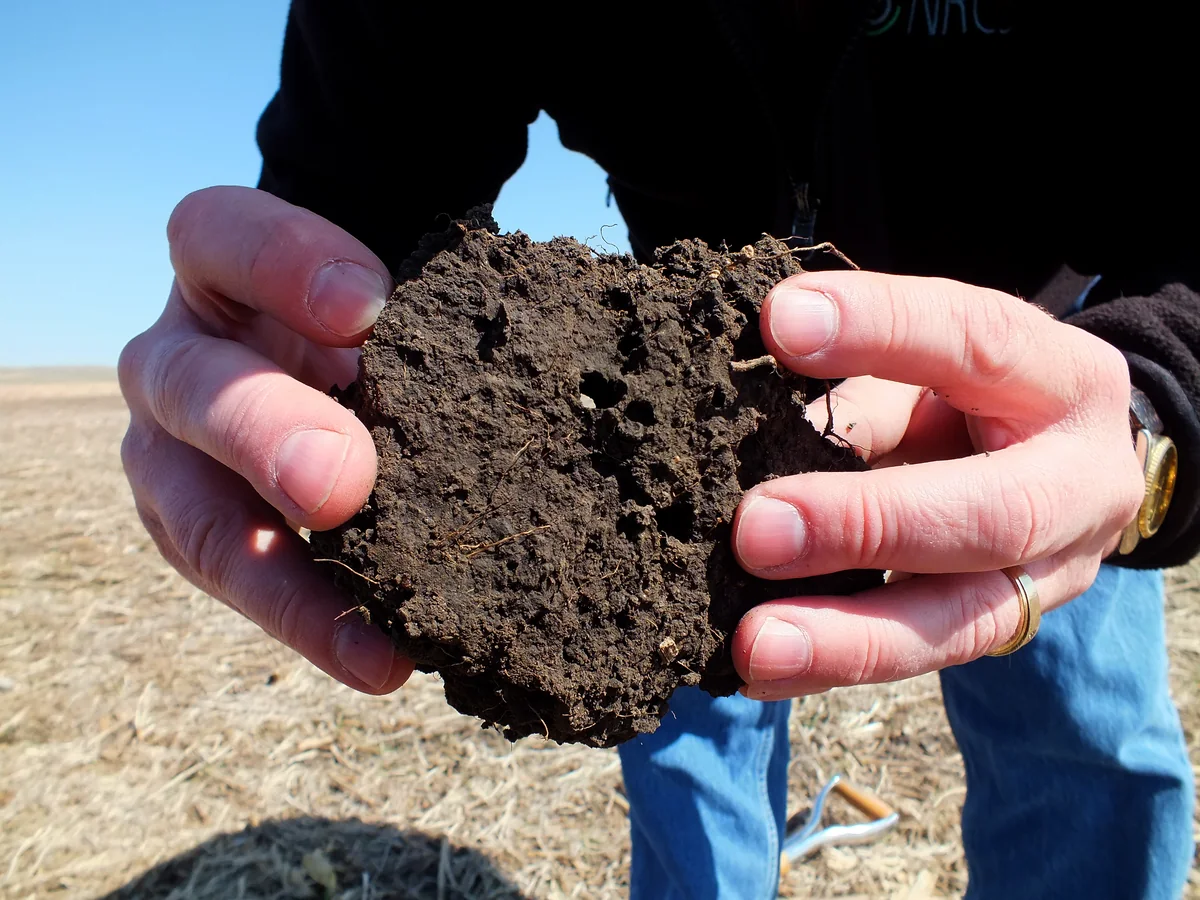
Use Phyto-C3 for initial line cleaning when established fouling is present, or for ongoing or periodic maintenance. Identify the buildup and confirm that cleaning addresses the cause.
Record system pressure, representative emitter flow and distribution uniformity before treatment. Review filters and flushing practices alongside the product program so that a change in delivery can be interpreted correctly.
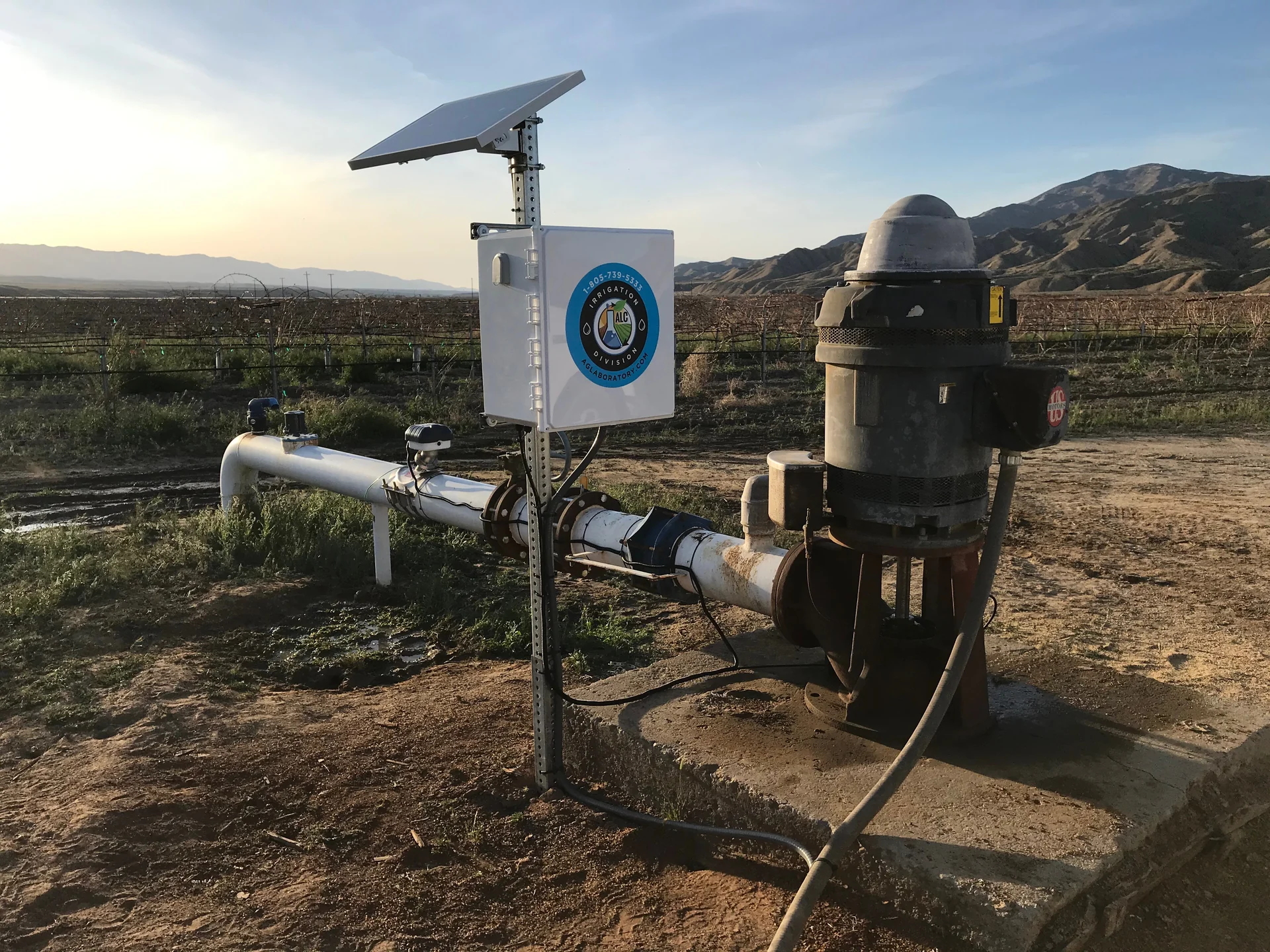
The Oakville vineyard study examined irrigation-line performance and grapevine response. Review the measurements and the assumptions used to estimate water and pumping implications.
Read the Oakville vineyard study summary (PDF) (opens in a new tab)
These documents use older conventional/organic formulation names and contain differing DU figures. Treat them as contextual research, not a promised outcome or direct validation of a current separate formulation.
The label gives directions for initial irrigation-line cleaning and ongoing or periodic maintenance, with separate directions for center pivots in field crops and for gardens. Use the directions for the equipment and application you are treating.
Product composition and use requirements. Follow the current label for application directions.
Use site conditions and operating goals to select the treatment point, application method and measurements.
Review water chemistry, crop context and deposit observations alongside the proposed Phyto-C3 cleaning or maintenance program.
Explore Agronomic ConsultingDocument pressure, flow and emitter performance to distinguish fouling from hydraulic limitations and measure the response to cleaning.
Explore Irrigation Performance Analysis & DU EvaluationFor an organic crop program, review the separate PC3 Organic product and its current label. Standard Phyto-C3 is not for organic crop or organic food production.
Cleaning can help with biofilm-related clogging, but it will not resolve every irrigation problem. Pressure variation, worn components, root intrusion, filtration and scheduling may require other corrections. An irrigation evaluation helps identify the cause.
Product labels, application guidance, publications and selected videos.
Irrigation guidance and agricultural studies. Vineyard, tomato and cucumber findings apply to their original crop and study conditions.
Labels, product information and publications
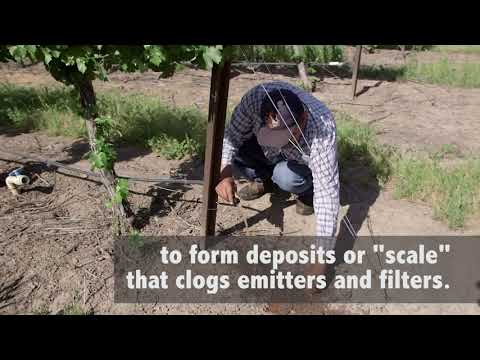
Product and application videos
Bio-Organic Catalyst explains Phyto-C3 use in irrigation-system cleaning and maintenance.
Read summaryBio-Organic Catalyst’s video featuring Phyto-C3 use at Chalone Vineyard, offering context for irrigation-system care.
Read summaryChalone Vineyard is an agricultural application example. Findings apply to the original site and conditions.
References: Phyto-C3 product sheet, Bio-Organic Catalyst product information and the Oakville vineyard study summary by Prof. S. Kaan Kurtural, UC Davis.
Follow current product labels and site-specific application guidance. Results vary with operating conditions.
Share the irrigation layout, water source, fouling observations and any uneven wetting or root-zone concerns. We can review Phyto-C3’s conditioning and system-care roles alongside pressure, flow, soil moisture and the current fertility program.