
Divert irrigation water
A portion of the irrigation water is drawn into the ECO2MIX generator.


Golf & Turf · Irrigation-water pH control
Manage irrigation-water pH without routine concentrated-acid handling. ECO2MIX produces a carbonic acid solution from diverted irrigation water and CO₂, then injects that solution into the mainline with feedback-controlled dosing.
Reduce the impact of high-pH irrigation water with carbonic acid treatment that helps keep nutrients in solution. Installation, CO₂ supply, and ongoing maintenance are included in one managed program, with no equipment purchase required.
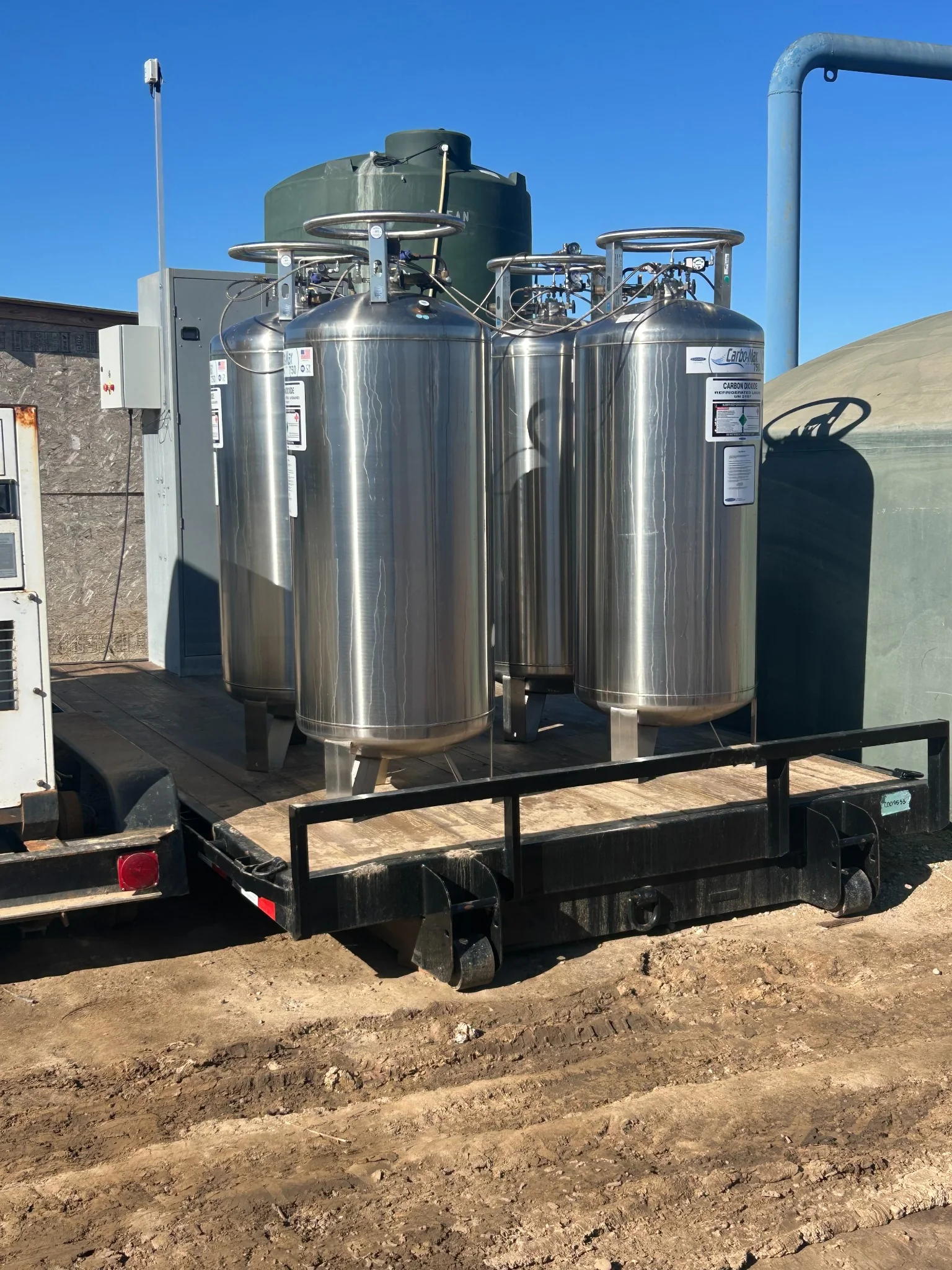
How the system works
How ECO2 carbonic acid technology works →
A portion of the irrigation water is drawn into the ECO2MIX generator.
CO₂ dissolves in that water inside the generator to form a carbonic acid solution.
The resulting solution is injected into the irrigation mainline to lower water pH.
A pH probe guides feedback-controlled dosing in a fully automated monitoring system.
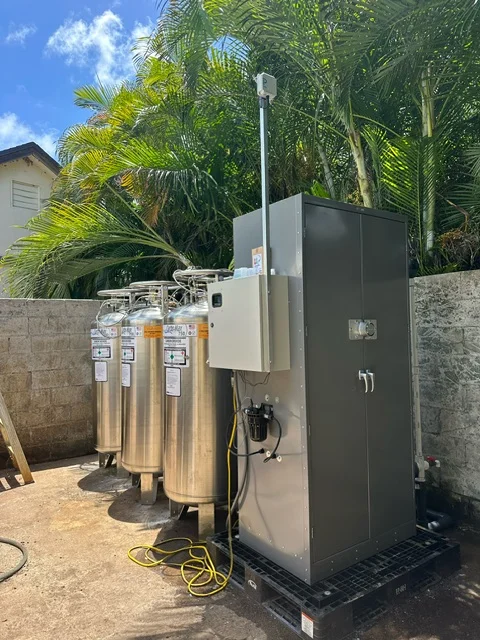
A practical fit for the superintendent
Control elevated irrigation-water pH as part of the course water-management program, from the pump station to greens, tees and fairways.
CO₂-based treatment reduces routine concentrated-acid storage, transfer and dosing for irrigation-water pH control, reducing personnel exposure to acid splashes and spills.
The managed program includes installation, CO₂ supply, remote monitoring, probe calibration and maintenance.
Review nutrient availability, irrigation delivery and root-zone conditions together. Soil tests, tissue analysis and field observations help establish whether pH control addresses a meaningful limitation.
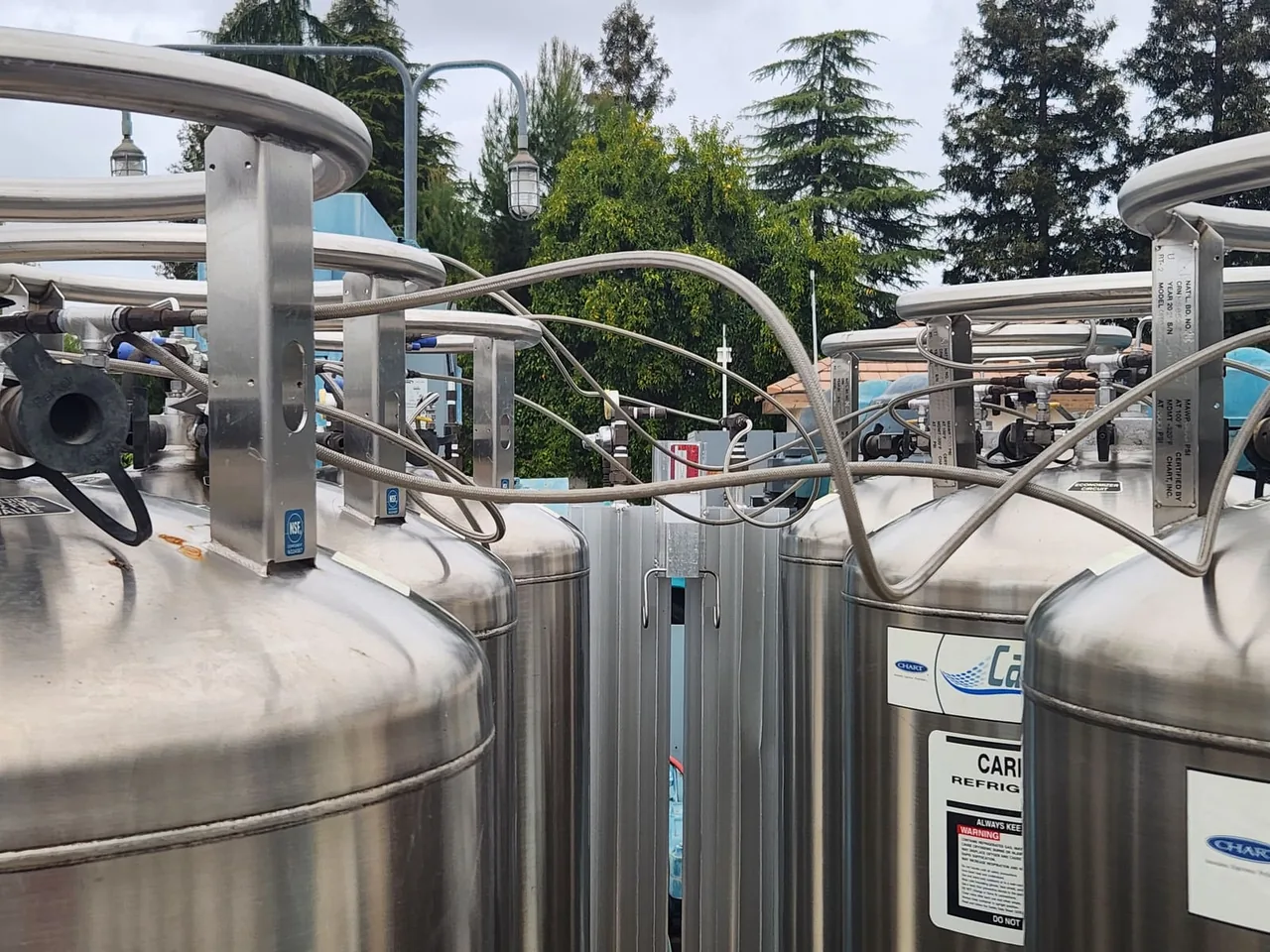
Plan the application
Begin with a recent water report, course area, flow information, irrigation schedules and annual water use. Add your current treatment details and available soil or tissue results.
Precise irrigation-water pH control with less routine handling of concentrated mineral acid.

CO₂ combines with water to form carbonic acid, the same acid formed naturally in rainwater. Automated monitoring adjusts dosing to maintain an irrigation-water pH target suited to your turf and fertility program.
On-site carbonic-acid generation eliminates routine sulfuric-acid handling, reducing exposure to concentrated-acid splashes, spills, and transfers.
Replacing concentrated sulfuric-acid handling and injection with controlled carbonic-acid treatment can reduce acid-related equipment damage. Repair and replacement savings depend on the existing equipment, operating conditions and maintenance program.
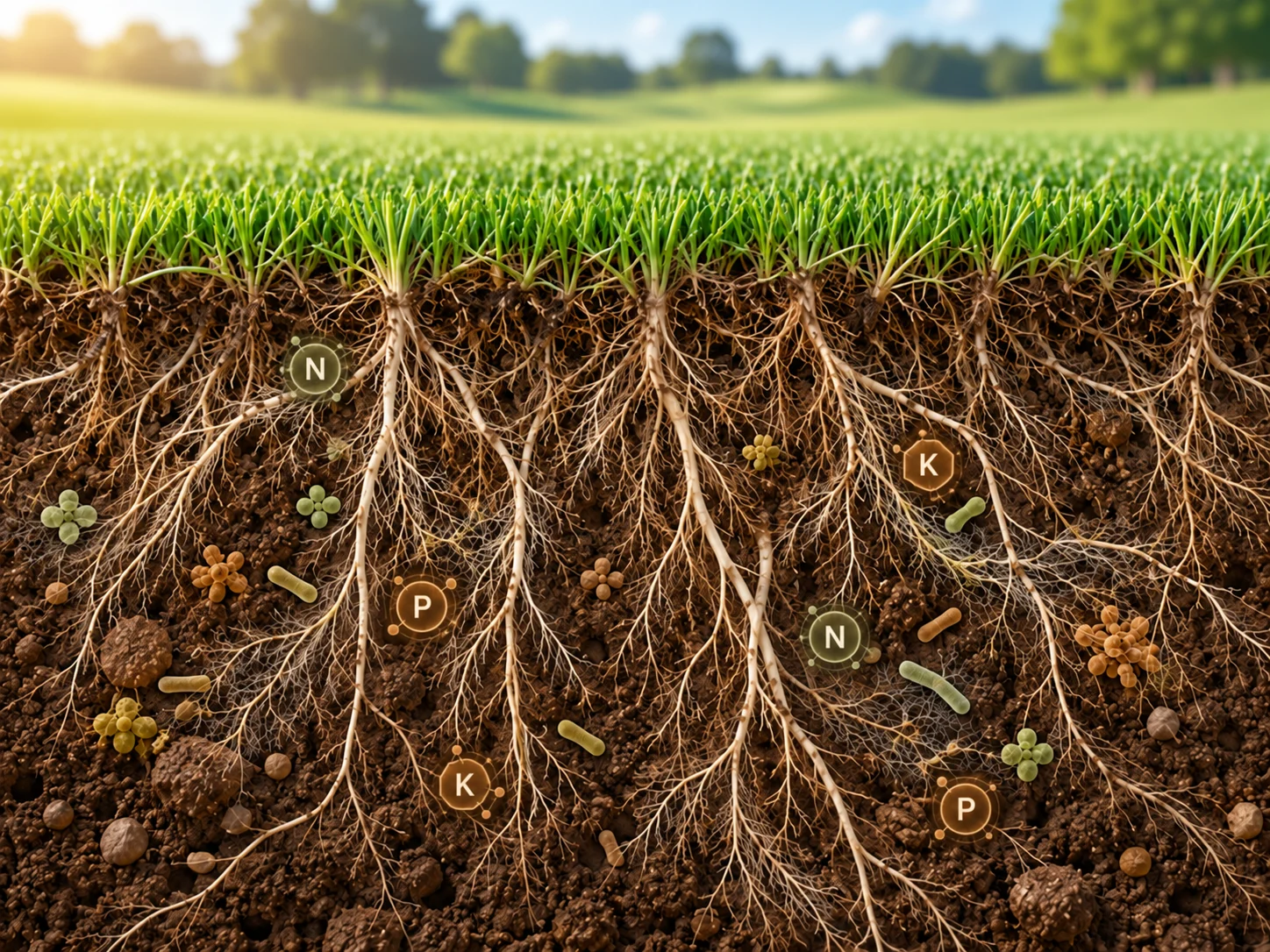
Irrigation-water pH management helps address conditions that limit nutrient availability in the root zone. Review water chemistry, soil results and your turf fertility program together.
BeCrop analysis describes microbial functional potential for nutrient cycling and mineralization. Haney testing adds soil-health and chemical indicators. Explore the turfgrass results side by side. See BeCrop and Haney results or open the  Haney report.
Compare carbonic acid, sulfuric acid and sulfur-burner treatment across chemistry, equipment, service and cost.
Dissolved CO₂ forms carbonic acid to lower irrigation-water pH. Automated monitoring adjusts dosing to maintain the selected treatment target.
Sulfuric acid lowers irrigation-water pH, but excessive dosing can over-acidify the water and push pH below the intended target.
Burns elemental sulfur to generate sulfur dioxide, which dissolves in water to form sulfurous acid and lower irrigation-water pH. Treatment performance depends on water chemistry, burner capacity and dosing control.
Carbonic-acid treatment supports irrigation-water pH management and nutrient availability. The turf analyses below show changes in microbial functional scores and soil-health indicators across sampling dates.
Sulfuric acid lowers pH and can improve nutrient solubility, while adding sulfate to the irrigation water. Salt accumulation and excessive acidity can affect roots, microbial activity and nutrient cycling.
Lowering irrigation-water pH can improve nutrient solubility. Sulfur-based treatment adds sulfur; its effects on soil pH, nutrient availability and biology depend on dose, soil conditions and salt management.
Installation, CO₂ supply and maintenance are included in the service. Customer staff do not perform routine concentrated-acid storage, transfer or dosing.
Requires acid-compatible storage and dosing equipment. Handling concentrated sulfuric acid presents chemical-burn and splash hazards, requiring trained personnel, appropriate protective equipment and spill-response procedures.
Requires a sulfur burner, sulfur storage and loading, and gas-contact equipment. Combustion generates hazardous sulfur dioxide, requiring appropriate gas containment, ventilation and trained operation.
The service covers equipment, installation, CO₂ supply, monitoring, calibration and maintenance. Confirm pricing, service frequency and responsibilities in the course-specific proposal.
Storage and dosing equipment are typically purchased or leased, with suitable secondary containment. Acid is purchased separately. Delivery, calibration and maintenance responsibilities depend on the service agreement.
Requires an initial equipment investment and ongoing sulfur purchases, pH monitoring, calibration and maintenance. Automated pH-control packages are available; service responsibilities depend on the equipment and service provider.
CO₂ supply and servicing are included in the program price.
Equipment investment, plus separately purchased acid and ongoing service requirements.
Equipment investment, plus recurring sulfur purchases, energy and maintenance.
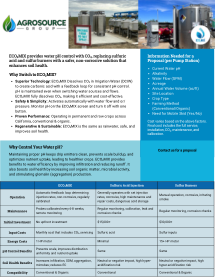 One-page comparison (PDF)
Sources: UC ANR acid-treatment guidance · Sulfur-burner equipment and controls · NIOSH sulfur-dioxide safety · USDA organic input rules.
Course experience · Video
Tom Lipscomb, superintendent at Seven Oaks Country Club in Bakersfield, discusses his course’s experience with ECO2MIX irrigation-water pH control.
This customer account covers one course. It is not a controlled field trial, and its results should not be generalized to other courses.
 (opens video player)
Watch the Seven Oaks video (opens video player)
Technical reading
The USGA Water Conservation Playbook discusses carbonic acid among irrigation-water acidification options. Its “Using Recycled Water” chapter, printed page 200, identifies lower corrosivity and compatibility with automated injection as advantages.
This is general water-treatment guidance, not an endorsement of ECO2MIX.
Read the USGA chapter (PDF) (opens in a new tab)Black layer is associated with oxygen-poor root-zone conditions. Drainage, aeration, organic-matter management and appropriate fertility inputs are central to addressing the conditions that allow it to develop.
The Golf Brochure raises black-layer prevention as a potential benefit. pH control alone cannot prevent black layer or guarantee that anaerobic conditions or hydrogen sulfide will not occur. CO₂ treatment adds no sulfate; it does not remove sulfate already present.
Read the black-layer technical summaryAssess pH alongside alkalinity, salts and sodium. Soil testing helps determine whether excessive root-zone pH is limiting nutrient availability and whether water treatment belongs in the course program.
Read Penn State’s turfgrass water-quality guidance (opens in a new tab)Turfgrass observations over time: the BeCrop report covers March 2022–September 2023; the Haney report covers April 2021–September 2023. The on-page summary does not identify a specific site. These sampling-date comparisons alone do not establish causation.
Reported BeCrop score-point changes describe microbial functional potential. Nitrogen and potassium consumption reflect microbial nutrient use, not direct plant availability.
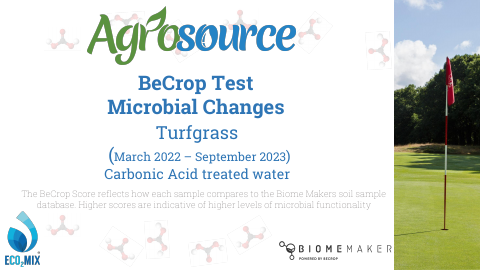 Read the BeCrop turfgrass analysisOpen full report · PDF
Percent changes shown are reported in the Haney soil-health analysis.
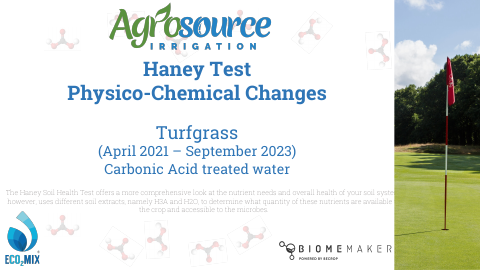 Read the Haney turfgrass reportOpen full report · PDF
An effective treatment plan starts with the full water analysis—not pH alone. Alkalinity, salinity, and sodium each influence how the water interacts with your root zone and turf.
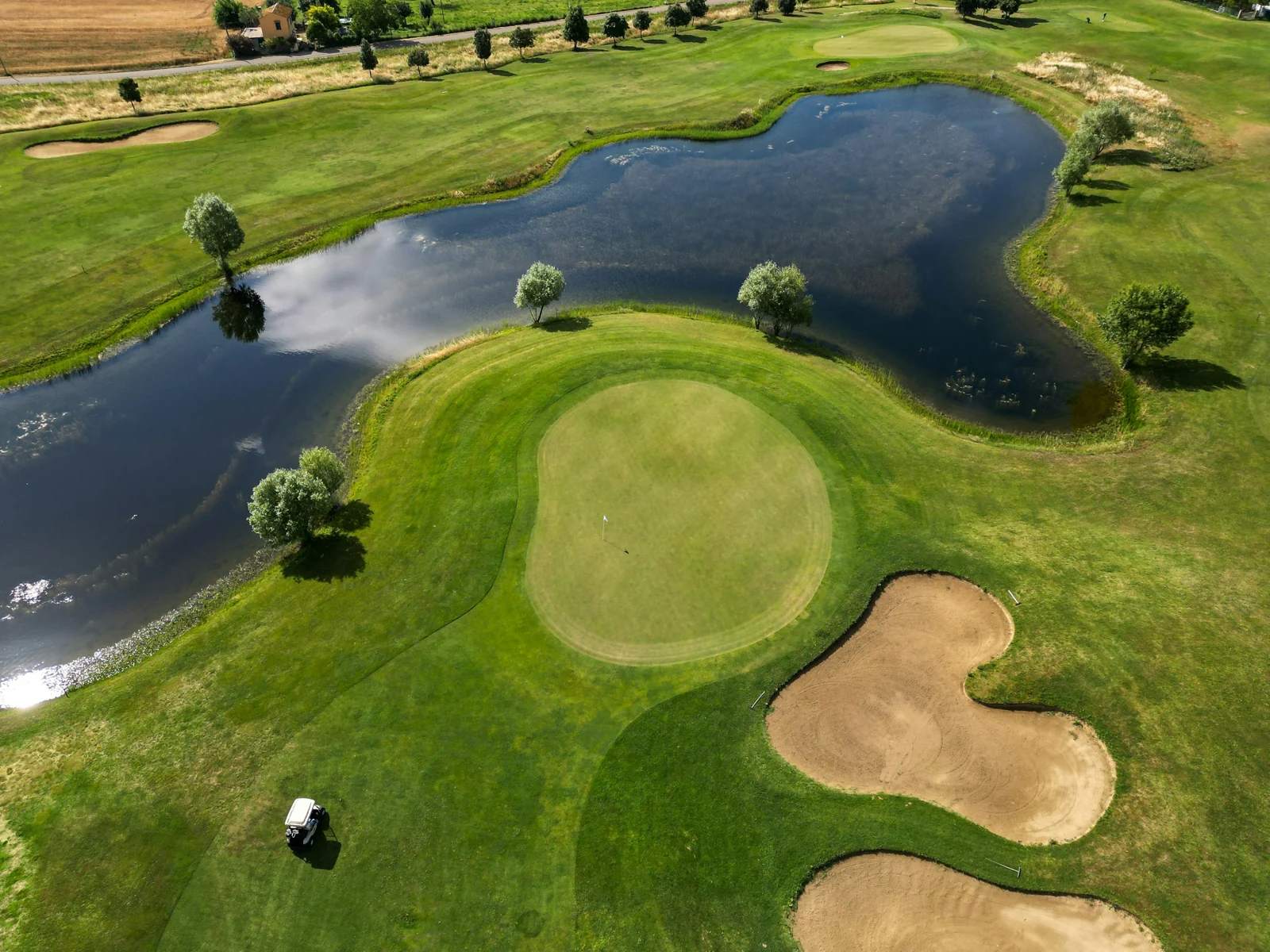
Use irrigation-water analysis to guide pH treatment and account for the salts and minerals entering your course’s root zone.
Coordinate treatment with the course’s existing irrigation flow and operating schedule to deliver pH-controlled water during irrigation.
Connect water-pH treatment with soil and tissue results, nutrient availability, and the course’s existing fertility program.
CO₂ treatment lowers irrigation-water pH without adding sulfate or chloride.
Coordinate water-pH management with your fertility program, irrigation practices, and root-zone drainage to support nutrient availability and healthy turf growth. Use soil and tissue results alongside field observations to track the response and refine the program.
Bring your water analysis and the issues you are seeing. Agrosource Group can help connect the measurements, irrigation system and turf-management goals.