Divert water
Irrigation water is drawn into the ECO2MIX generator.


Evaluate water-pH control against your crop priorities and seasonal budget. Reduce the impact of high-pH irrigation water with carbonic acid treatment that helps keep nutrients in solution. One seasonal program includes installation, CO₂ supply and maintenance, without an equipment purchase.
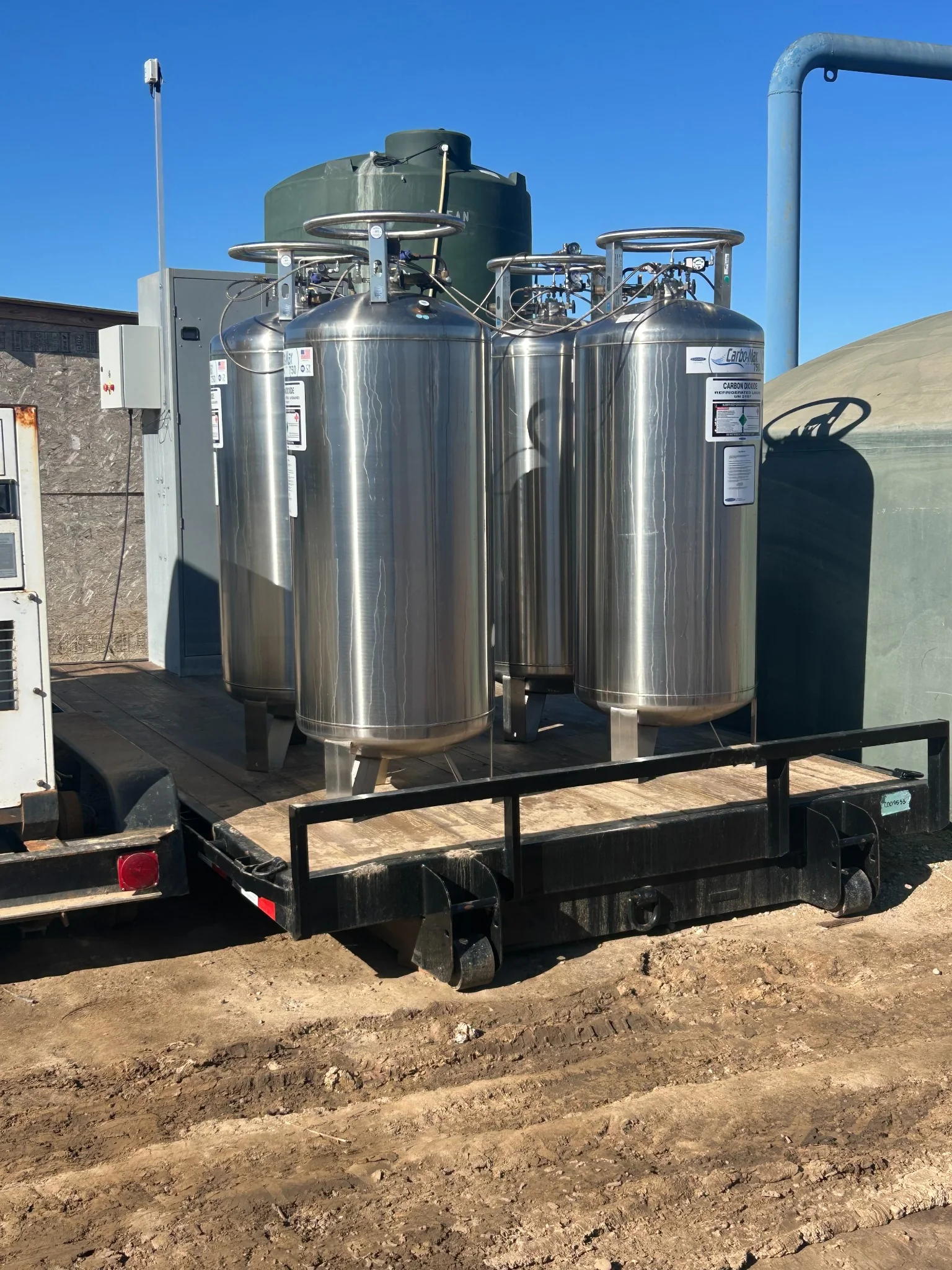
Irrigation water is drawn into the ECO2MIX generator.
CO₂ dissolves in that water under pressure, producing a carbonic acid solution.
The carbonic acid is injected into the irrigation mainline to lower water pH.
A pH probe guides feedback-controlled dosing in a fully automated monitoring system.
Use water analysis and field observations to identify whether ECO2MIX water-pH control is a proper fit for your operation.
Review elevated water pH, alkalinity and the mineral profile alongside irrigation flow.
Mineral precipitation, scaling and organic fouling can reduce irrigation distribution uniformity and fertilizer efficiency. Identify the cause before selecting the treatment.
Connect treatment objectives with soil buffering, nutrient availability, crop demand and the existing fertility program.
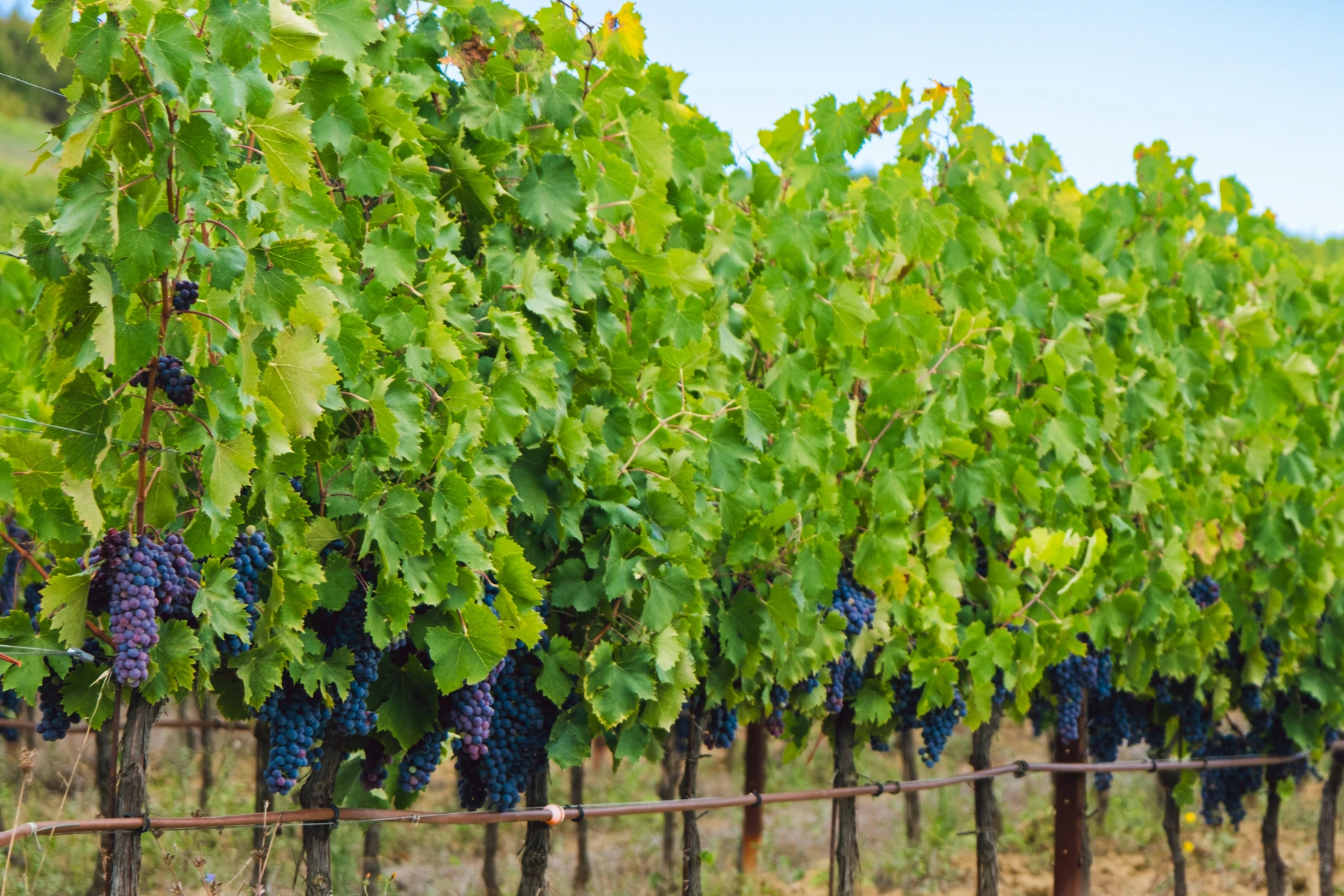
From vineyards and orchards to strawberries and vegetables, we tailor the treatment plan to your crop, soil conditions, and irrigation system.
An effective treatment plan starts with the full water analysis—not pH alone. Alkalinity, salinity, and sodium each influence how the water interacts with your soil and crop.
Discuss Your Crop & Water SourceInstallation, CO₂ supply, and ongoing maintenance are included in one managed program, priced per acre per season, with no equipment purchase required.
Precise irrigation-water pH control with less routine handling of concentrated mineral acid.
CO₂ combines with water to form carbonic acid, the same acid formed naturally in rainwater. Automated monitoring adjusts dosing to maintain an irrigation-water pH target suited to your crop and fertility program.
On-site carbonic-acid generation eliminates routine sulfuric-acid handling, reducing exposure to concentrated-acid splashes, spills, and transfers.
Replacing concentrated sulfuric-acid handling and injection with controlled carbonic-acid treatment can reduce acid-related equipment damage. Repair and replacement savings depend on the existing equipment, operating conditions and maintenance program.
Published grapevine research found that carbonic acid treated irrigation increased the availability of key nutrients, including iron, zinc, manganese, and phosphorus, under the conditions studied. The extractable-nutrient findings came from the study’s unplanted-soil experiment.
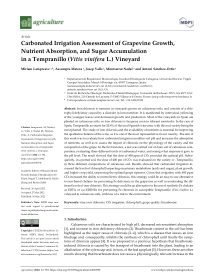 Read the grapevine research paper
BeCrop analysis describes microbial functional potential for nutrient cycling and mineralization. Haney testing adds soil-health and chemical indicators. Explore the almond results side by side.
View BeCrop and Haney results Open the Haney report
Compare carbonic acid, sulfuric acid and sulfur-burner treatment across chemistry, equipment, service and cost.
Dissolved CO₂ forms carbonic acid to lower irrigation-water pH. Automated monitoring adjusts dosing to maintain the selected treatment target.
Sulfuric acid lowers irrigation-water pH, but excessive dosing can over-acidify the water and push pH below the intended target.
Burns elemental sulfur to generate sulfur dioxide, which dissolves in water to form sulfurous acid and lower irrigation-water pH. Treatment performance depends on water chemistry, burner capacity and dosing control.
Carbonic-acid treatment supports irrigation-water pH management and nutrient availability. The almond comparison recorded higher BeCrop scores for several microbial nutrient-cycling pathways under carbonic-acid treatment compared with sulfuric-acid treatment.
Sulfuric acid lowers pH and can improve nutrient solubility, while adding sulfate to the irrigation water. Salt accumulation and excessive acidity can affect roots, microbial activity and nutrient cycling.
Lowering irrigation-water pH can improve nutrient solubility. Sulfur-based treatment adds sulfur; its effects on soil pH, nutrient availability and biology depend on dose, soil conditions and salt management.
Installation, CO₂ supply and maintenance are included in the service. Customer staff do not perform routine concentrated-acid storage, transfer or dosing.
Requires acid-compatible storage and dosing equipment. Handling concentrated sulfuric acid presents chemical-burn and splash hazards, requiring trained personnel, appropriate protective equipment and spill-response procedures.
Requires a sulfur burner, sulfur storage and loading, and gas-contact equipment. Combustion generates hazardous sulfur dioxide, requiring appropriate gas containment, ventilation and trained operation.
The managed agricultural program includes installation, CO₂ supply and maintenance, with no equipment purchase. Technical staff calibrate the system every 14–21 days; CO₂ supply is included in the per-acre, per-season program price.
Storage and dosing equipment are typically purchased or leased, with suitable secondary containment. Acid is purchased separately. Delivery, calibration and maintenance responsibilities depend on the service agreement.
Requires an initial equipment investment and ongoing sulfur purchases, pH monitoring, calibration and maintenance. Automated pH-control packages are available; service responsibilities depend on the equipment and service provider.
Supports irrigation-water pH management in conventional production and eligible certified-organic programs. Organic use requires an approved nonsynthetic CO₂ source and approval within the grower’s Organic System Plan.
Conventional irrigation-water acidification; not approved for this use in certified-organic crop production.
USDA organic rules permit sulfurous acid generated on-farm using 99%-purity elemental sulfur. The specific use still belongs in the operation’s approved Organic System Plan.
CO₂ supply and servicing are included in the program price.
Equipment investment, plus separately purchased acid and ongoing service requirements.
Equipment investment, plus recurring sulfur purchases, energy and maintenance.
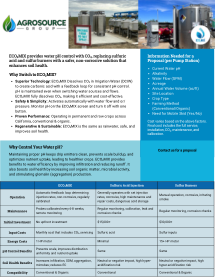 One-page comparison (PDF)
Sources: UC ANR acid-treatment guidance · Sulfur-burner equipment and controls · NIOSH sulfur-dioxide safety · USDA organic input rules.
 (opens video player)
An ECO2MIX reactor installation on a California strawberry farm.
Watch the Field Video (opens video player) (opens video player)
Eryn Gray discusses his perspective on carbonic-acid water treatment.
Watch the Agronomist Video (opens video player)Almonds, 2022–2023 reports: Group 1 received sulfuric-acid treatment; Group 2 received carbonic-acid treatment. The on-page summary does not identify a specific site or exact sampling dates. These treatment comparisons alone do not establish causation.
 Read the BeCrop almond analysisOpen full report · PDF
 Read the Haney almond reportOpen full report · PDF
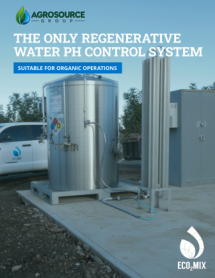 ECO2MIX Agriculture BrochurePDF · 3 pages · System overview and agricultural applications
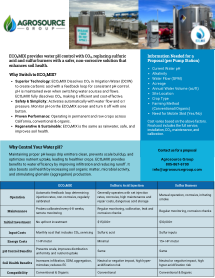 ECO2MIX Agriculture Overview & Proposal ChecklistPDF · 1 page · Information to prepare for each pump station
Bring the information you already have. Agrosource Group can help identify what else is needed for a practical evaluation.
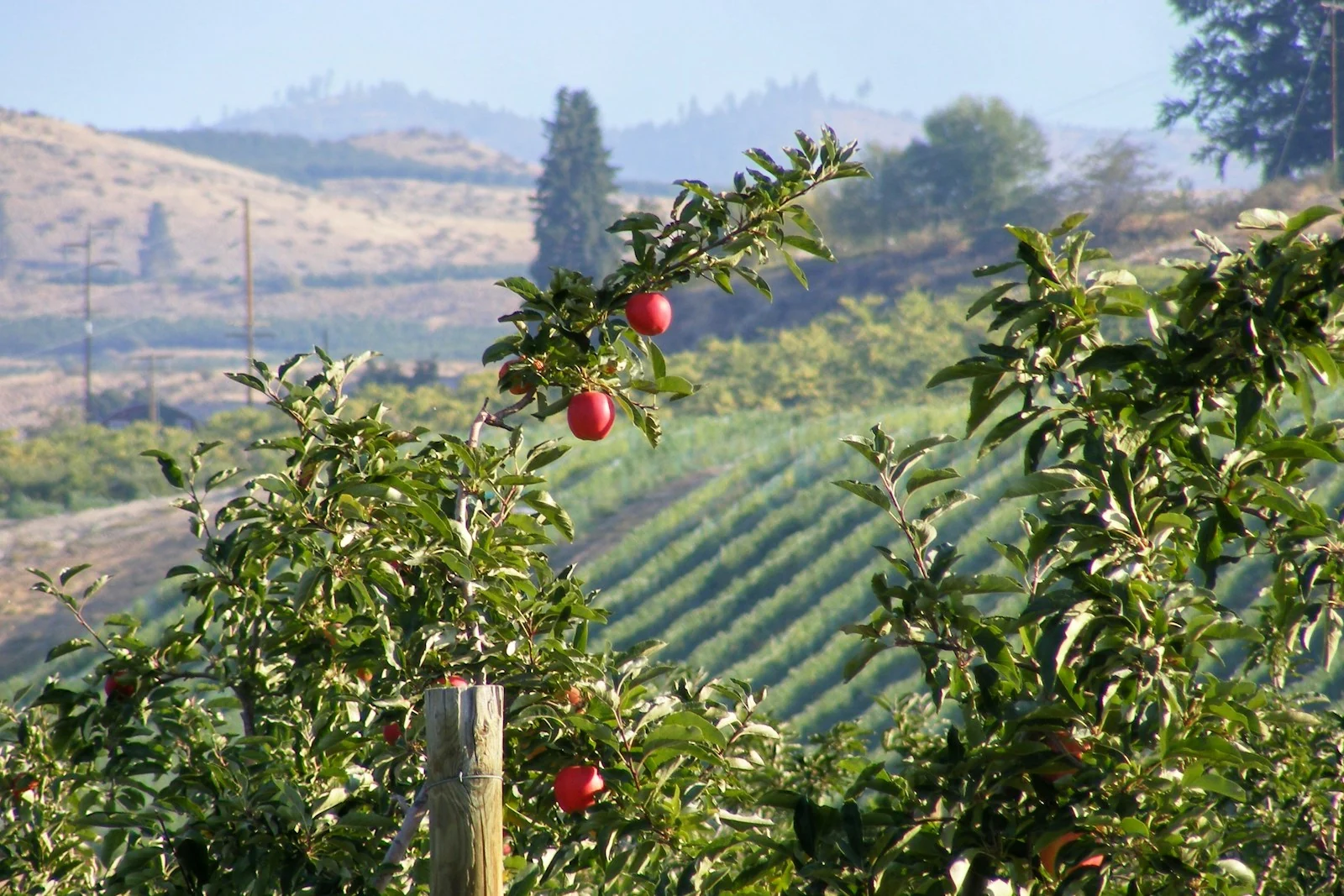
Connect water review with Agronomic Consulting and irrigation-performance testing.
Tell us about your water source, crop and irrigation system.