Technical solutions for water, soil, biology, irrigation performance and treatment applications.
Wineries & Food Processing

Prepare Wastewater Operations for the Demands of Production.

Plan winery and food-processing wastewater treatment around seasonal loads, production schedules and the actual role of your holding or treatment pond. Plan for seasonal wastewater loads without losing sight of pond capacity, aeration and solids handling.

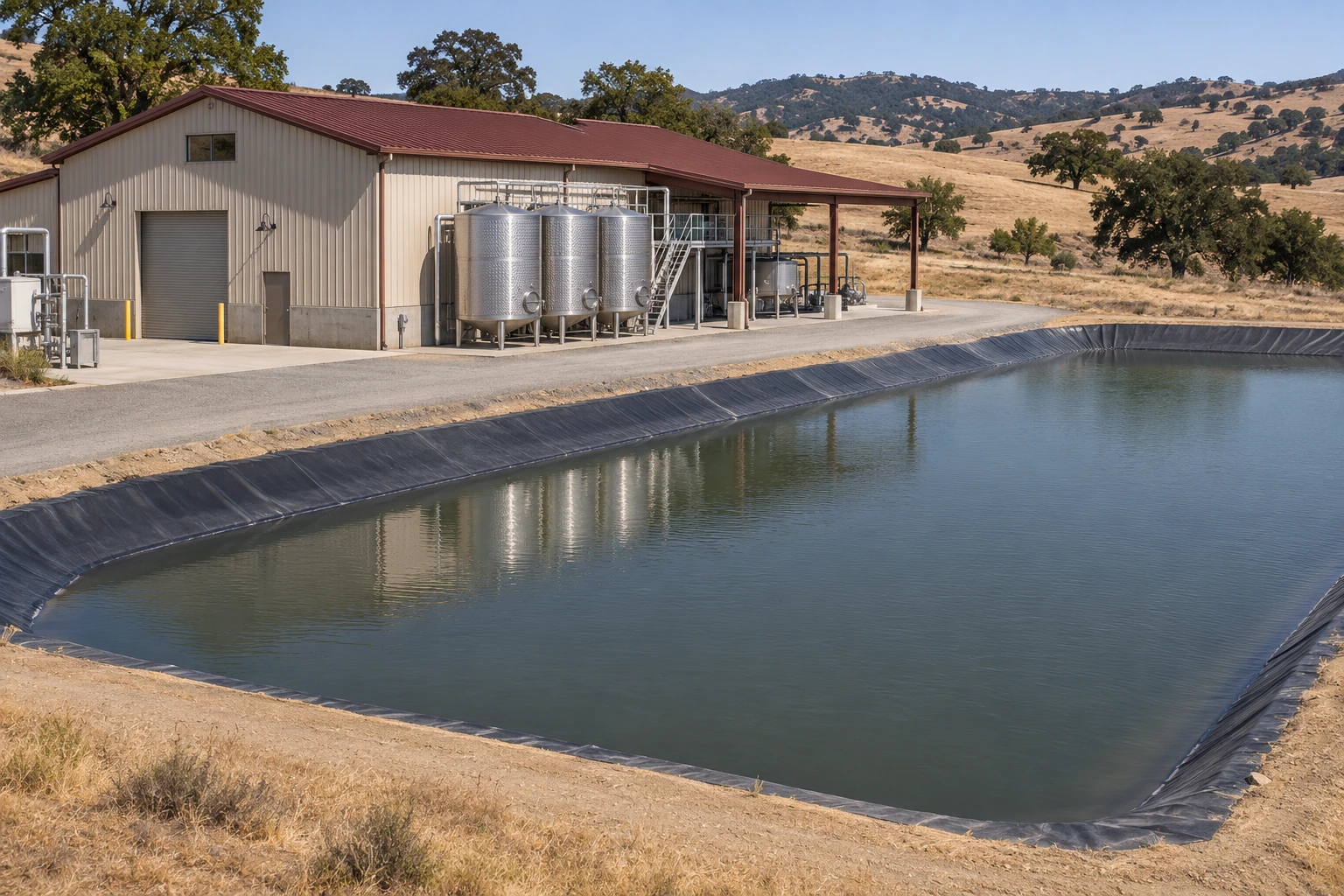
Illustration of a winery production building beside a lined holding pond

Managing industrial and food-processing wastewater

For wineries, a program needs to account for crush-season changes as well as conditions during the rest of the year. For food processors, review the production and washdown pattern. Match the product to the pond’s actual function, available treatment capacity and monitoring plan before comparing costs.

Problem & treatment

Organic loading in process wastewater

Grape residues, sugars and food-processing wastes can increase BOD and COD. EcoSystem Plus supports organic-waste solubility and biological processing in the treatment stage. Match the program to seasonal loads, pH, flow and retention time.

Problem & treatment

FOG and collection-system buildup

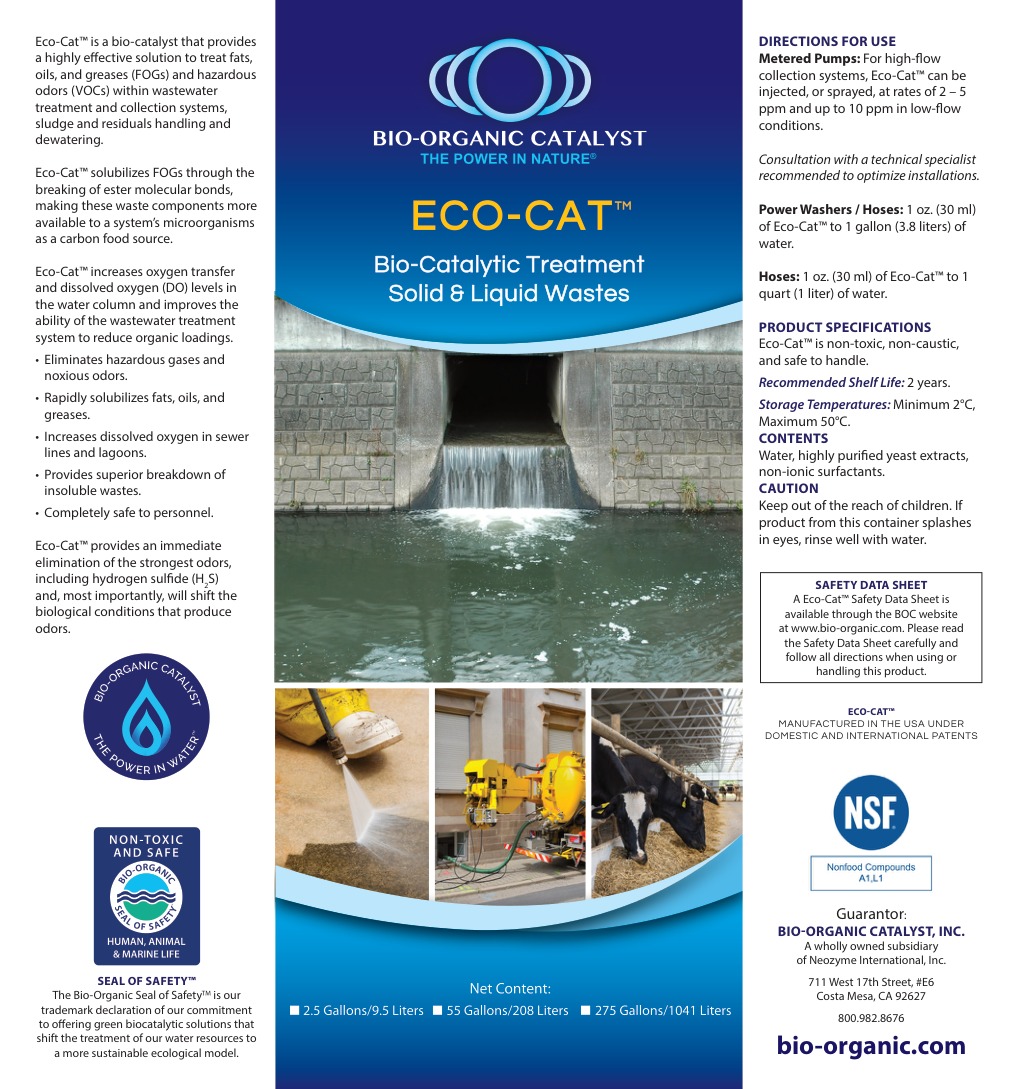
Food-processing fats, oils and grease can accumulate in drains, collection lines and pump stations. Eco-Cat treats FOG and organic deposits by making them more available for biological breakdown, supporting flow and maintenance goals.

Problem & treatment

Oxygen-transfer limitations

An aerated treatment pond needs oxygen supply matched to its incoming organic load. EcoSystem Plus supports oxygen transfer and biological oxidation alongside aeration. A storage-only holding pond requires its own treatment and equipment plan; the product does not generate oxygen.

Problem & treatment

Sludge and settled organic solids

Organic solids can build up and reduce useful pond volume. EcoSystem Plus supports organic-solids processing and sludge management in the appropriate treatment process. Track solids and working volume while retaining separation, pumping and removal plans.

Problem & treatment

Ammonia and hydrogen sulfide odors

Where ammonia (NH₃) or hydrogen sulfide (H₂S) contributes to process-waste odors, Eco-Cat can support odor treatment in suitable wastewater and residuals applications. Eccomate targets localized waste-handling odor sources through spray or misting. Select the product and treatment point for the actual waste stream.

Odor reduction does not establish safe gas levels or guarantee emissions reductions. Retain gas monitoring, ventilation and all facility safety procedures; follow current product labels and safety directions.
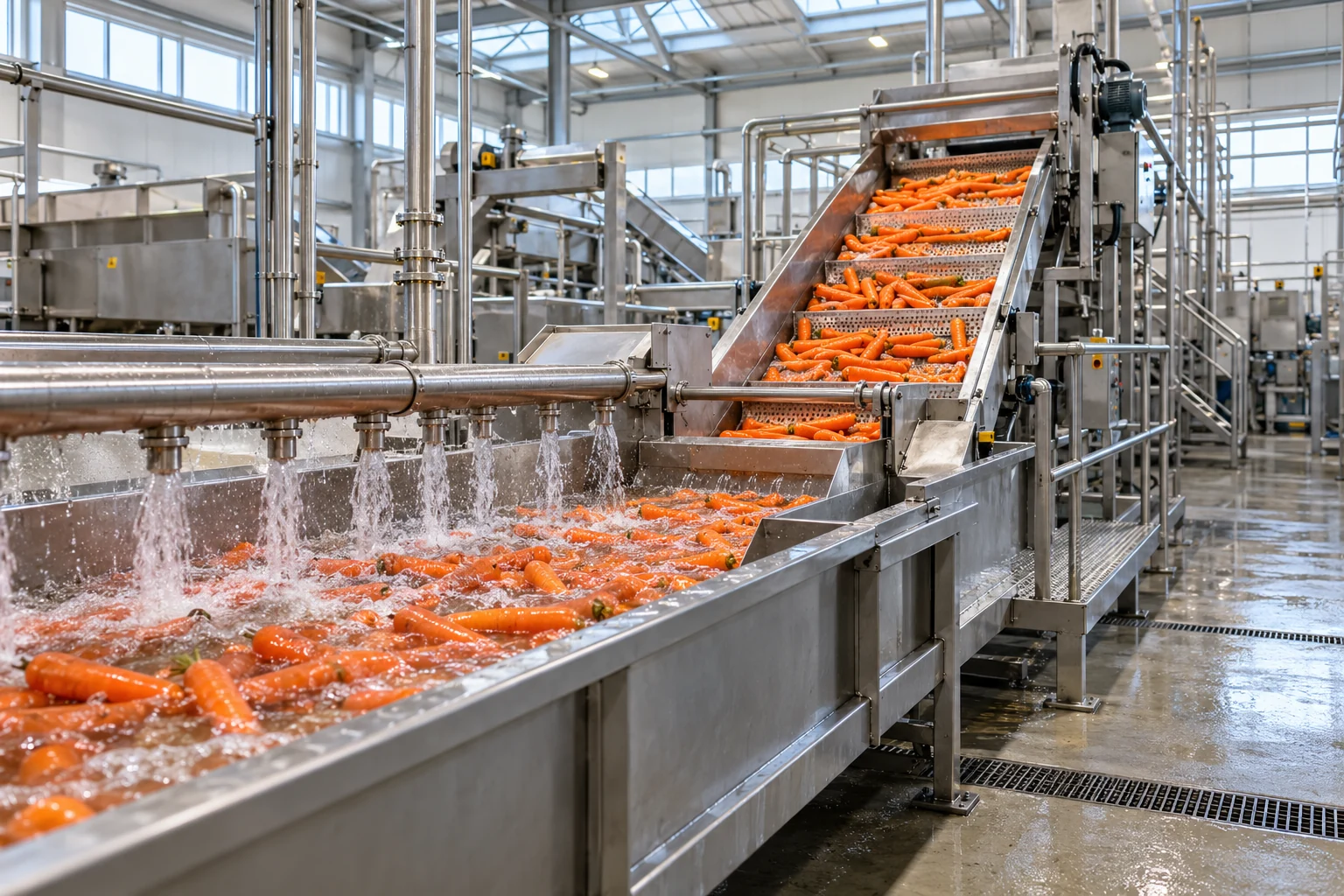
Food-processing wash line illustrating a process-water source
Wastewater from the facility to the pond

Connect discharge, treatment and holding conditions.

Agrosource Group focuses here on winery and food-processing wastewater: the organic material entering the system, the treatment process, and the ponds or reservoirs receiving or holding that water. Flow, retention time, circulation, aeration and solids management shape the treatment approach. Process-water sources and production schedules help define the incoming load.

Agrosource provides treatment design, product specifications, and recommended injection rates. A holding pond is not automatically an aerated treatment lagoon; the equipment and program must fit its actual use and operating conditions.

Review Bio-Organic Catalyst options

Products matched to the problem

Bio-Organic Catalyst options for wastewater and organic-load management. Select the formulation and dose for the actual process and current label; these links are not tank-mix recommendations.

Bio-Organic Catalyst
Organic waste and FOG treatment

Eco-Cat

Eco-Cat treats fats, oils and grease (FOG), organic buildup and associated odors in wastewater collection systems, lift stations and waste-handling operations. It solubilizes organic wastes to make them more available for biological breakdown.

Explore Eco-Cat
Bio-Organic Catalyst
Wastewater and sludge treatment

EcoSystem Plus

EcoSystem Plus supports oxygen transfer, organic-waste breakdown and sludge management in wastewater treatment. Its aerobic-treatment and anaerobic-digestion applications have different dosing and monitoring requirements, matched to the process and incoming load.

Explore EcoSystem Plus
Bio-Organic Catalyst
Localized organic-odor treatment

Eccomate

For localized organic odors around residuals receiving, storage and handling, Eccomate is applied by spray or misting at the odor source. This odor-control role complements the facility’s separate aeration and sludge-management program.

Explore Eccomate

Need help matching treatment options to your process wastewater?

Ask about wastewater treatment options

Product information & supply

Explore product options, current labels and application directions for your system.

Product information & supply

Products for process wastewater

Explore products for organic loading, fats, oils, grease and odor-management applications. Contact Agrosource Group for product information, availability and application directions.

Explore products

Explore the underlying solutions

Explore Bio-Organic Catalyst approaches relevant to wastewater and organic-waste treatment.

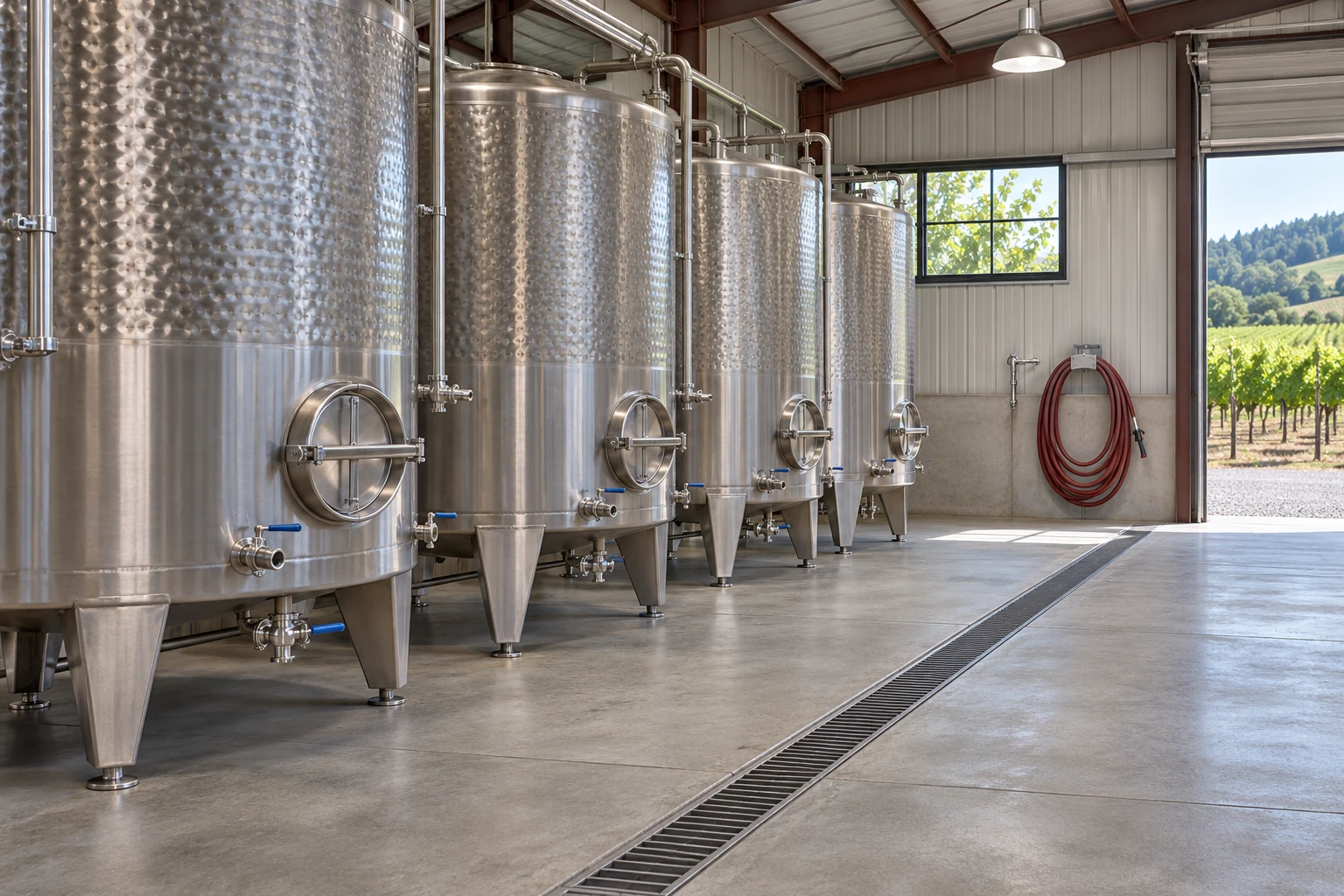
Illustration of winery fermentation tanks beside a process-water floor drain

Odor, FOG & Organic Loading

Treat FOG and organic buildup with Eco-Cat, organic-waste odors with Eccomate, and wastewater loading and sludge with EcoSystem Plus.

Explore Odor, FOG & Organic Loading

Start with your system.

Share your seasonal or production pattern, pond function and available flow, pH and loading records. Define the operating result you want to evaluate and the time your team can commit to application and monitoring.

Request process wastewater information